Italian Camouflage – Vegetato
Introduction
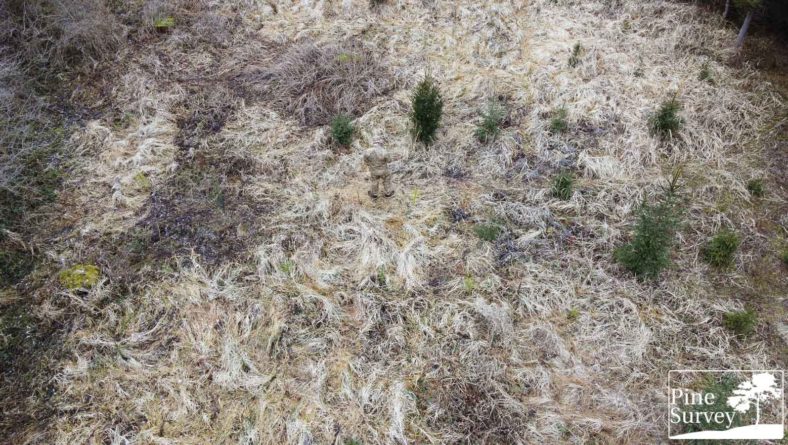
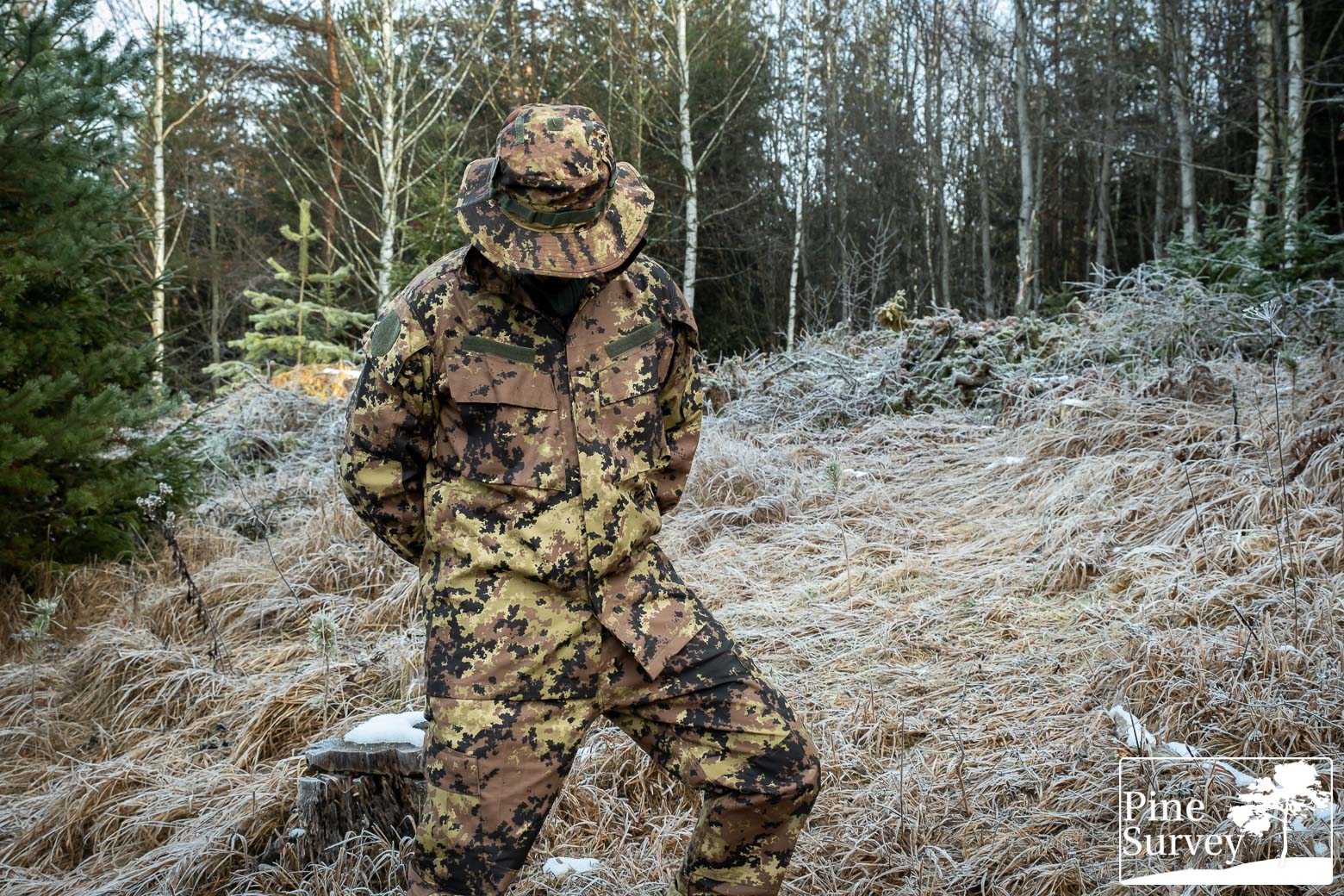
I have had these pictures of Italian Vegetato camouflage for quite some time and have only really used them for the occasional Instagram post. As they were not taken in my usual spots, nor in the quantity I usually take for my field tests, I never really included them in an article or gallery. At the same time, it would be a shame to keep them from you as they are an excellent example of the effectiveness of a camouflage pattern that simply does not get enough credit: the Italian Vegetato pattern. It’s a real underdog when it comes to camouflage patterns.
Now that pictures of a new Italian pattern have emerged, I want to take a step back and consider what will be lost if this pattern is retired (if it is — there are no real news regarding that at the moment).
With that being said, I will leave it at that. I might conduct a decent field test in the future if I can find the time, but I don’t think there’s any need to explain anything further as the pictures speak for themselves.
And before I forget it: Without the guys from Perunika, this would not be possible – many thx to Matej there!
Italian Vegetato
Before diving into this gallery, it is worth noting that there are many different colorations of Vegetato depending on the fabric and company that provides the camouflage items – I have no idea why this is the case, but it would be worth taking a deep dive. Usually it is a result of different printers, fabric patches and the updating of the pattern to make color adjustments – so maybe it is a combination of these factors.
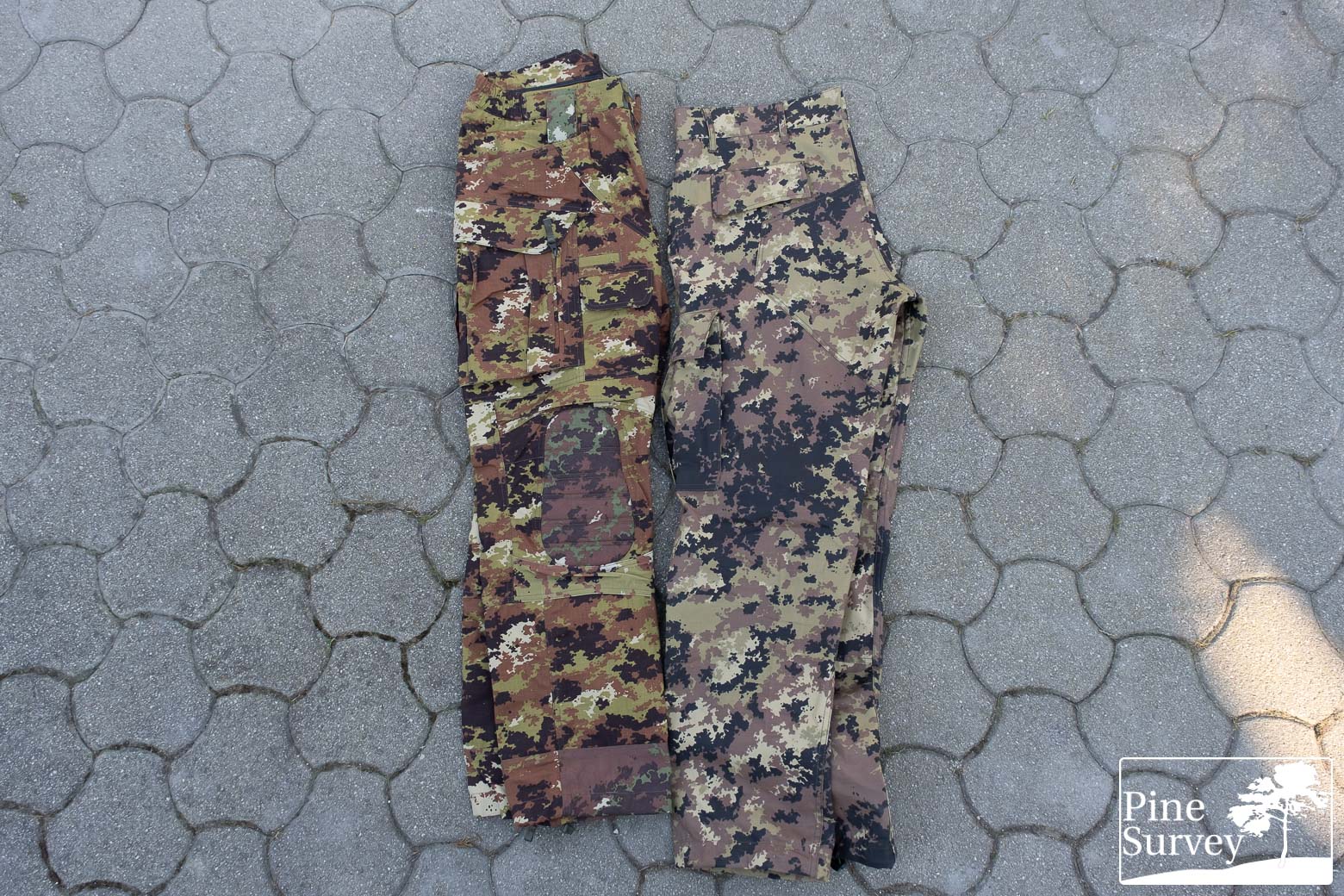
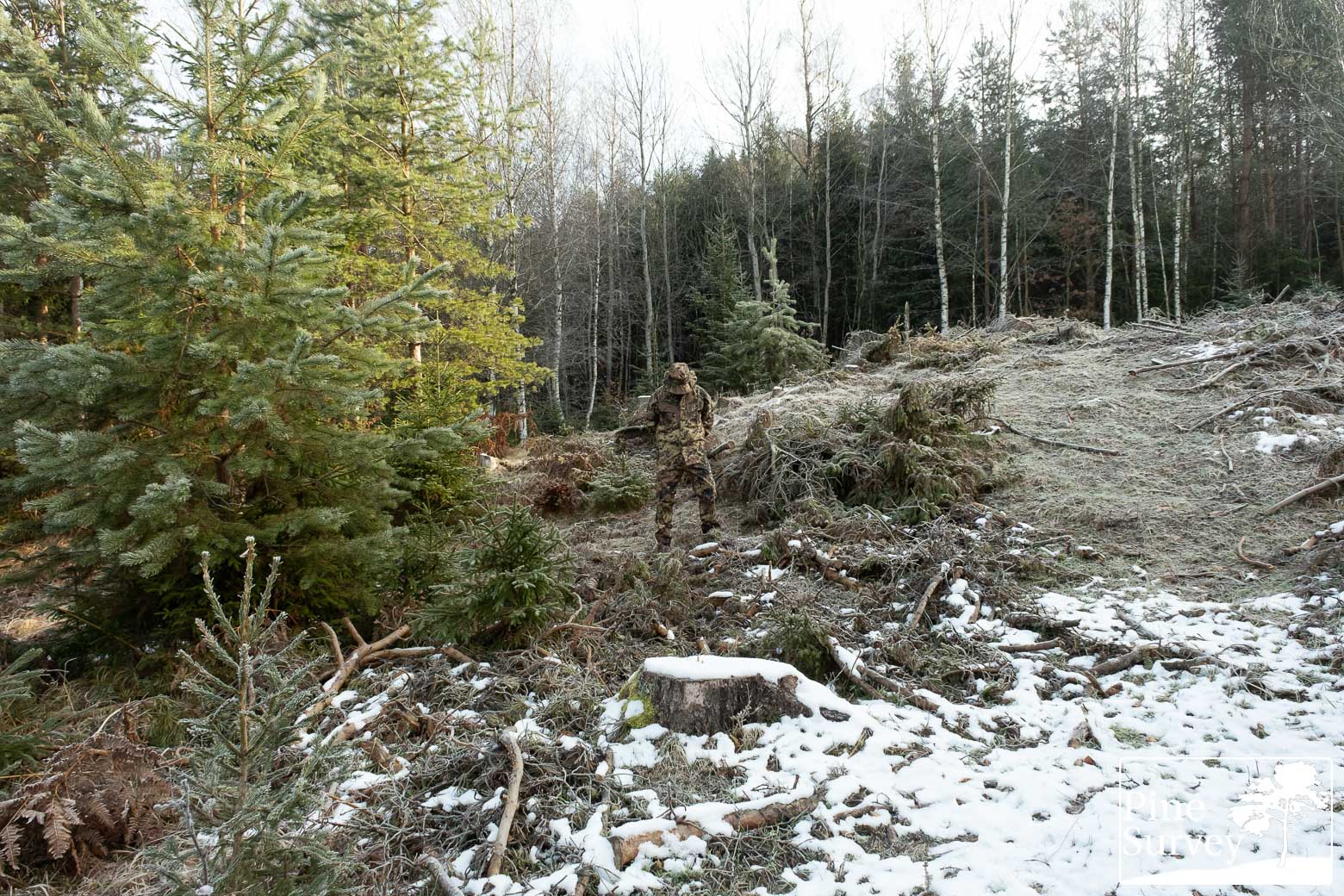
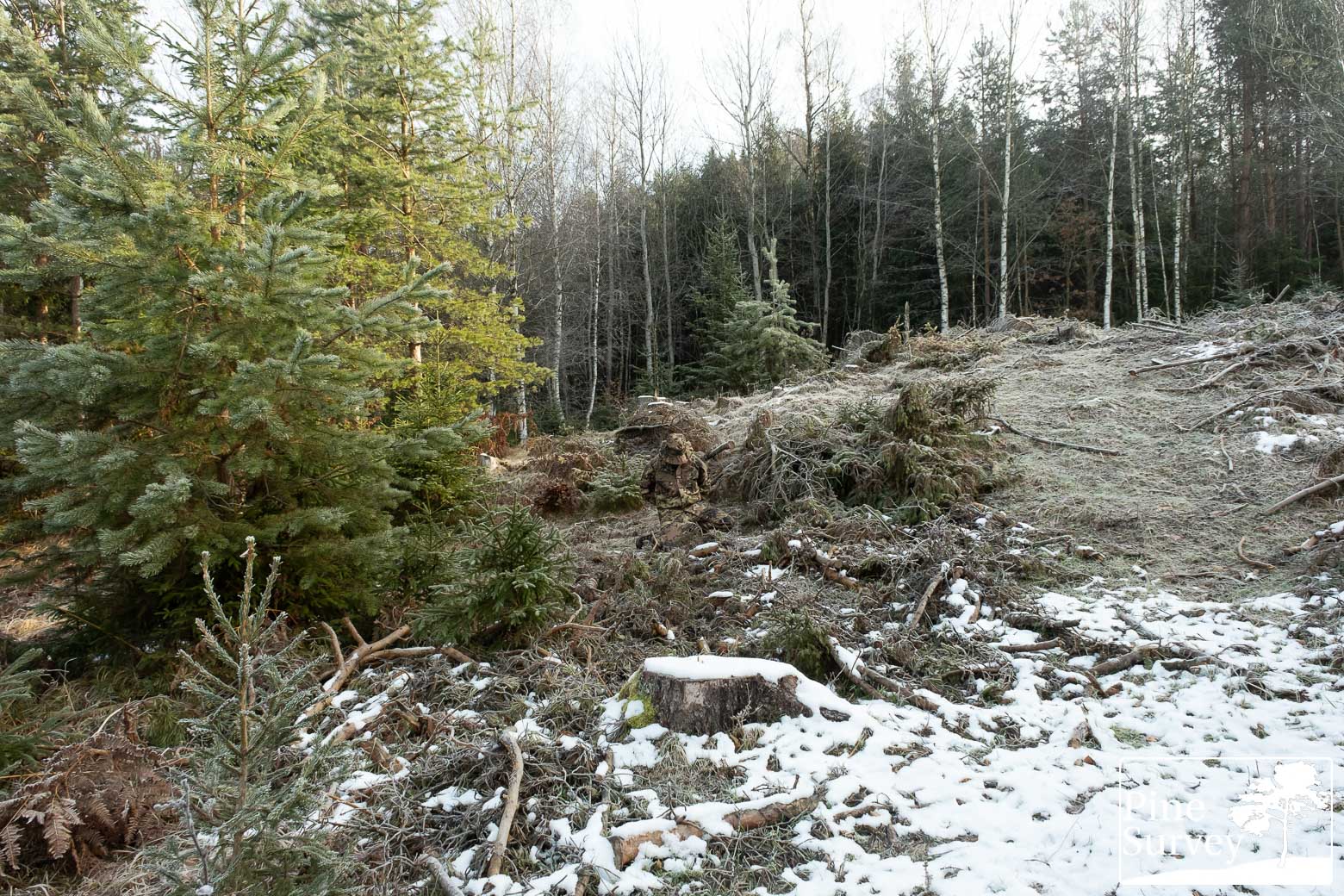
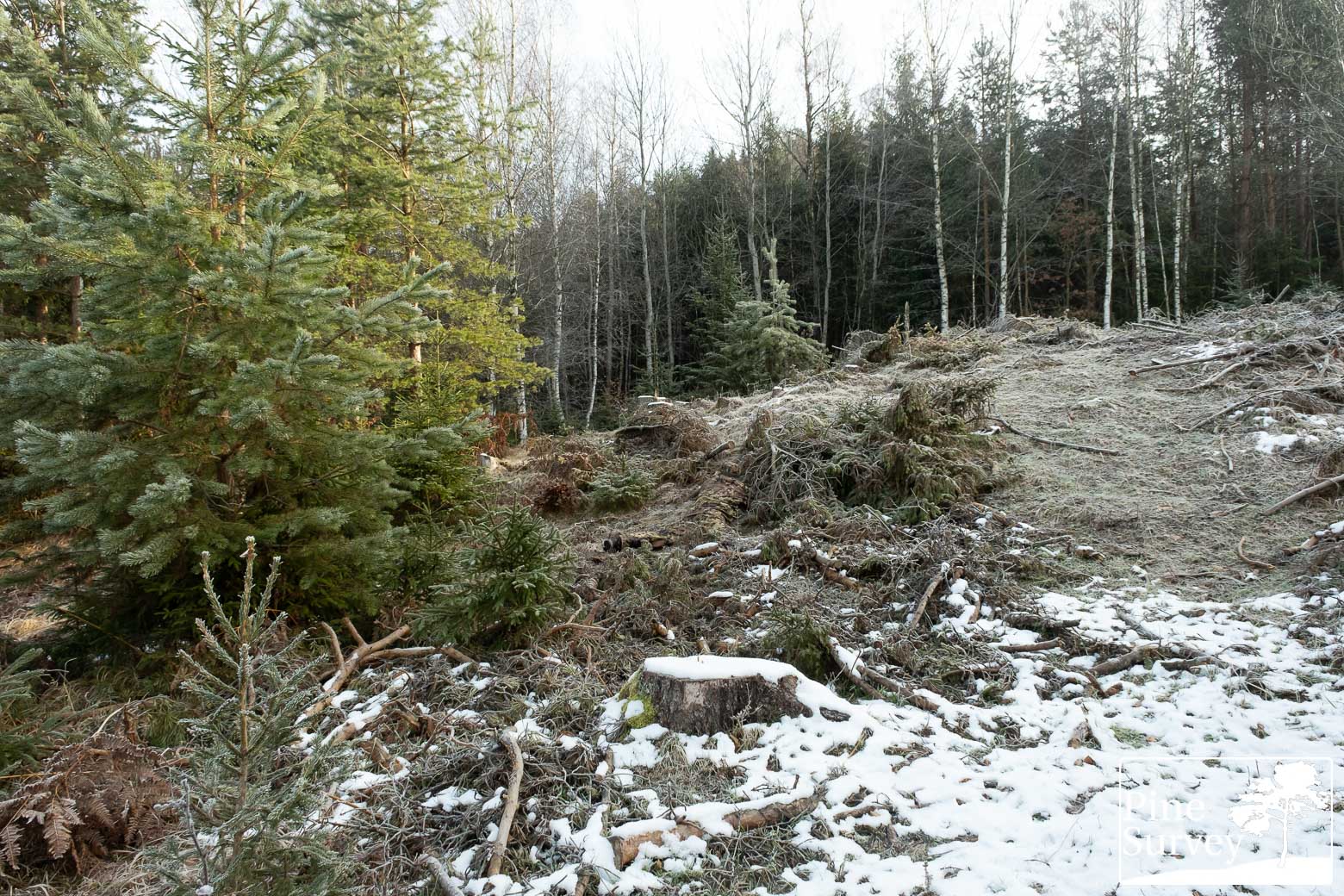
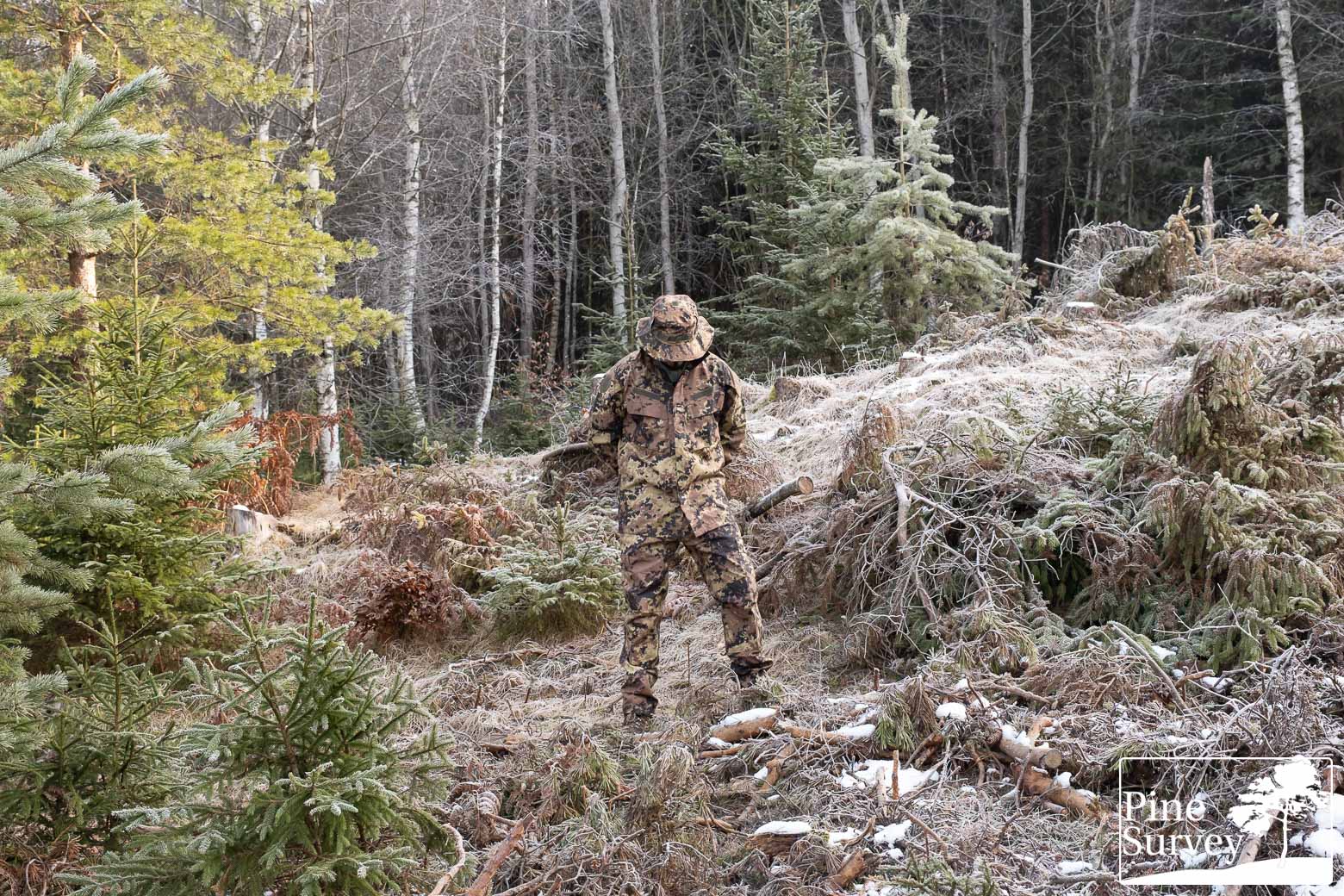
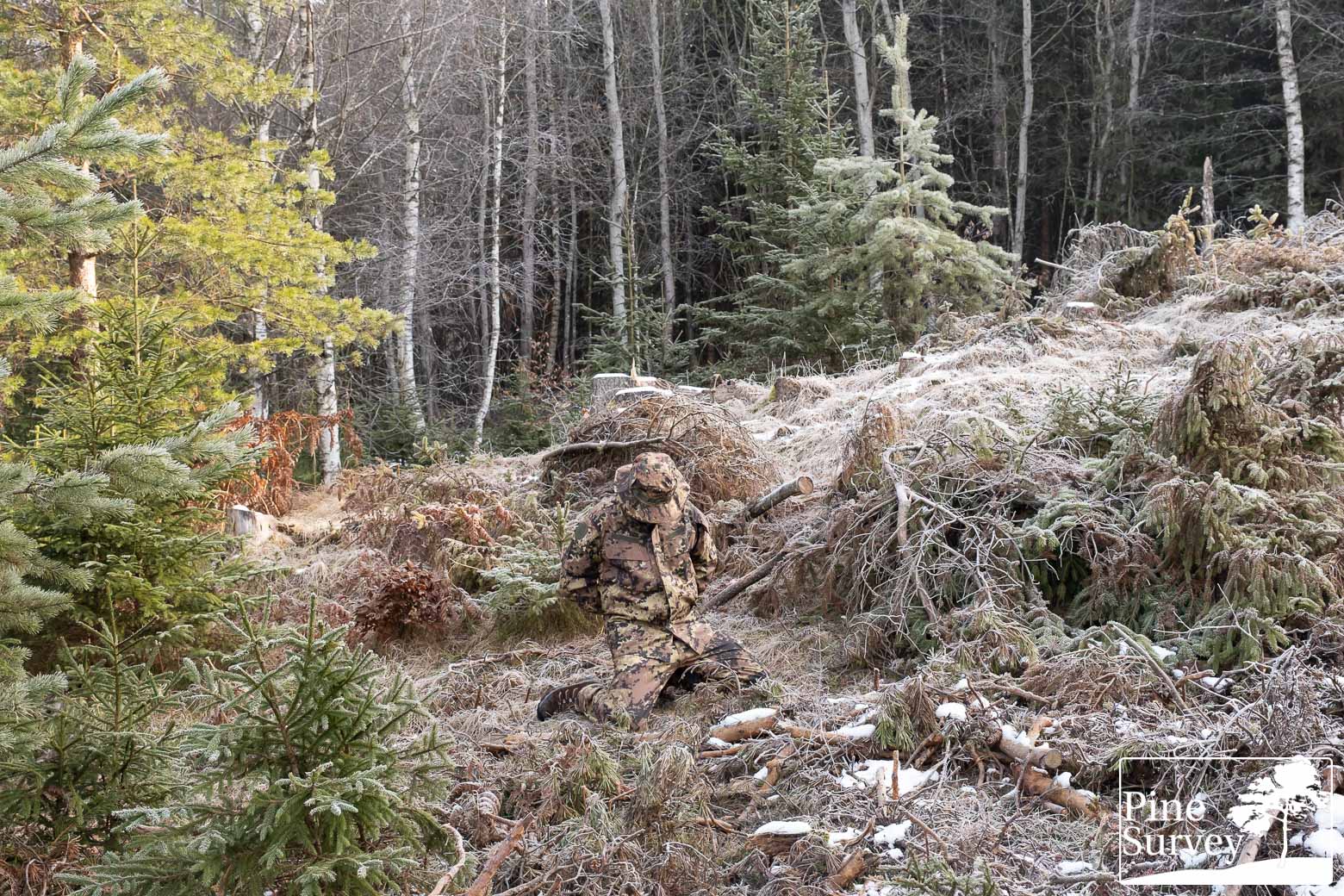
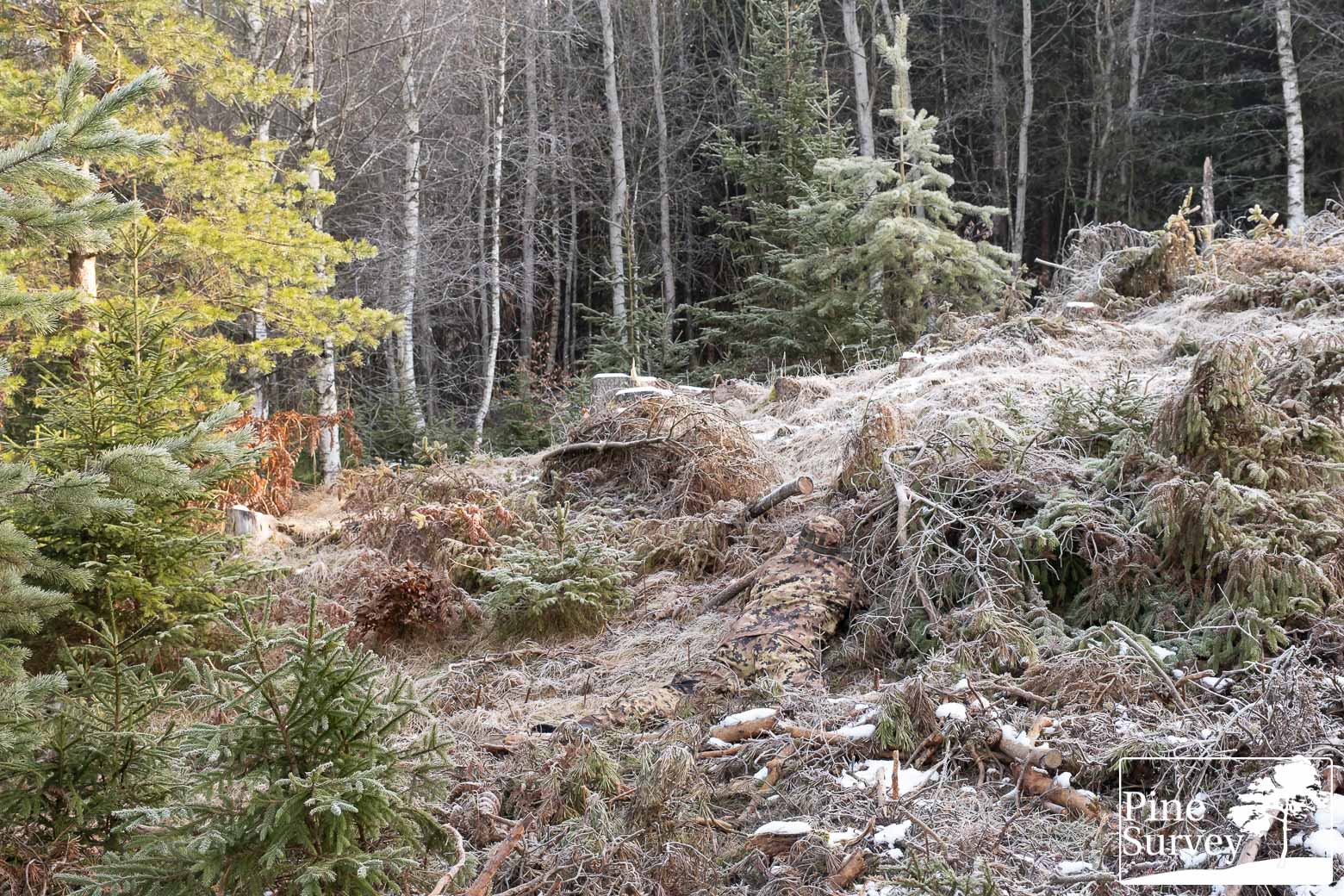
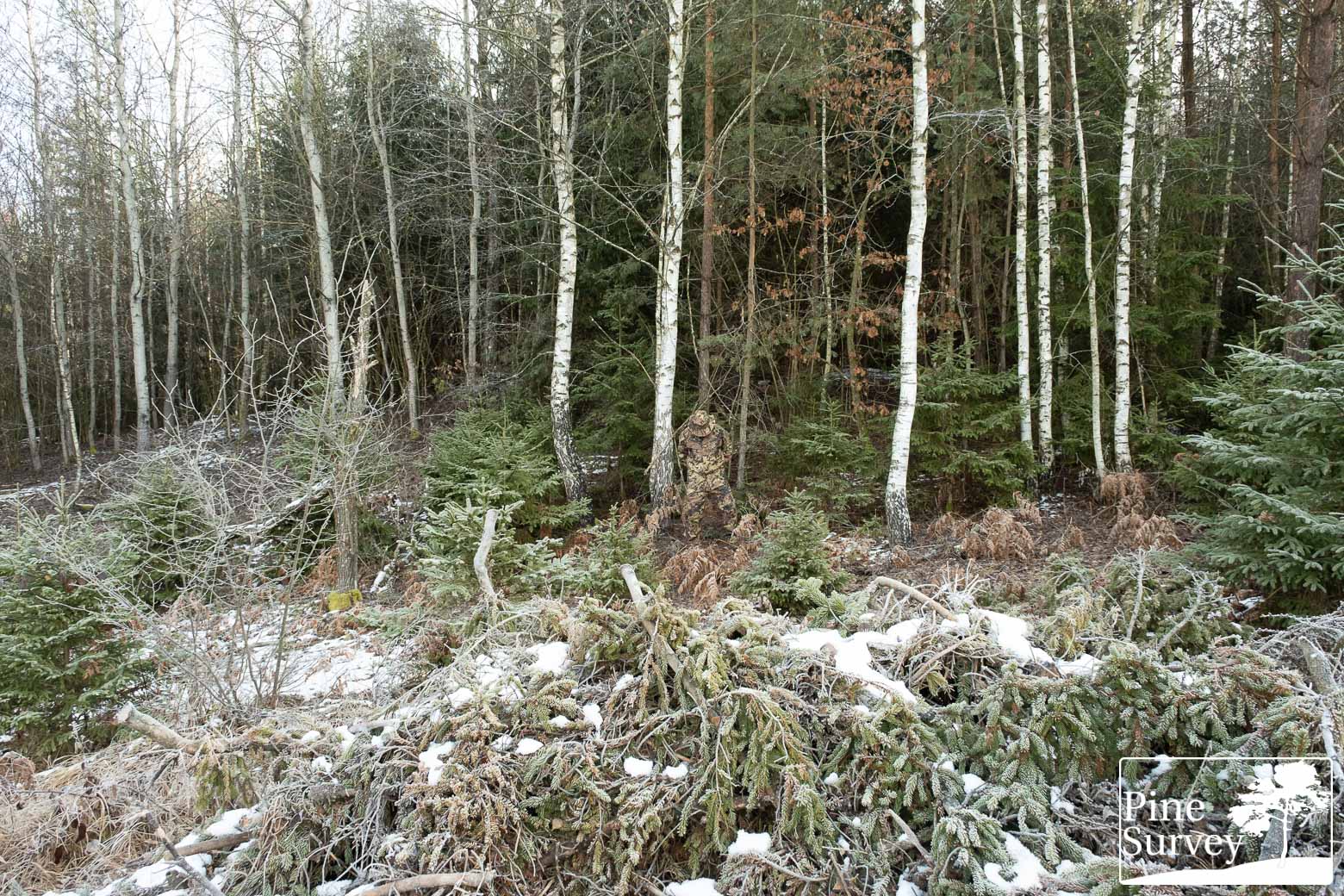
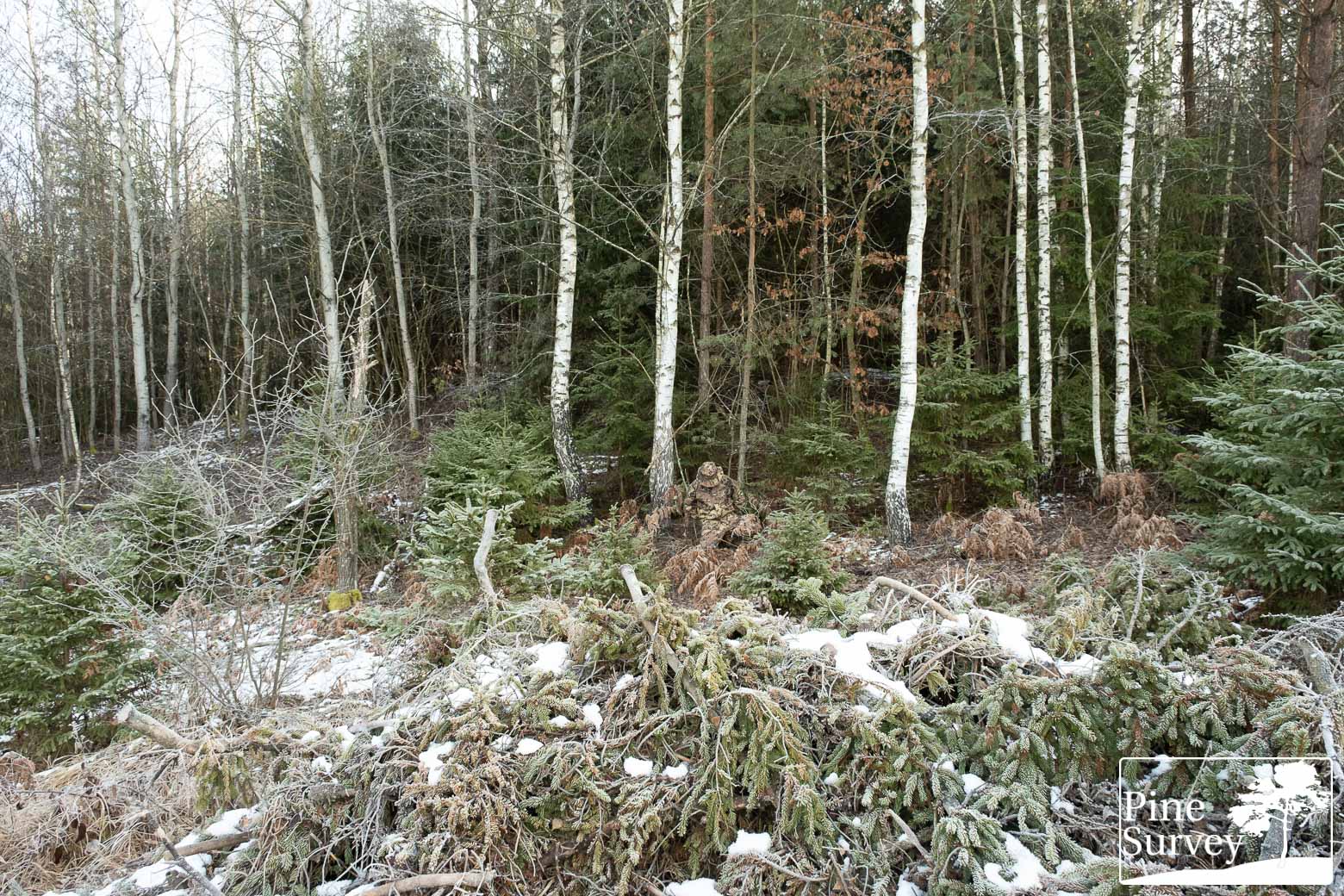
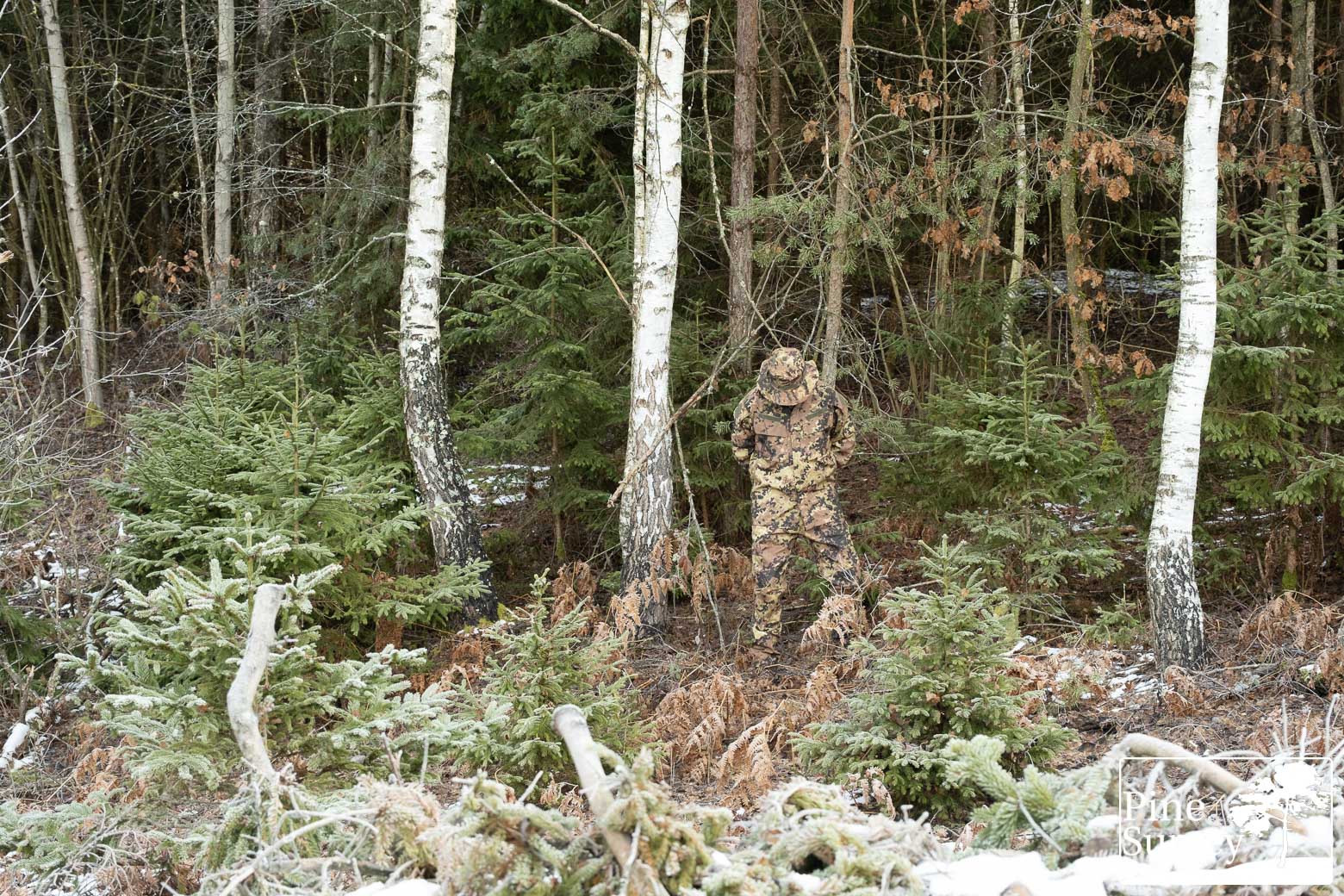
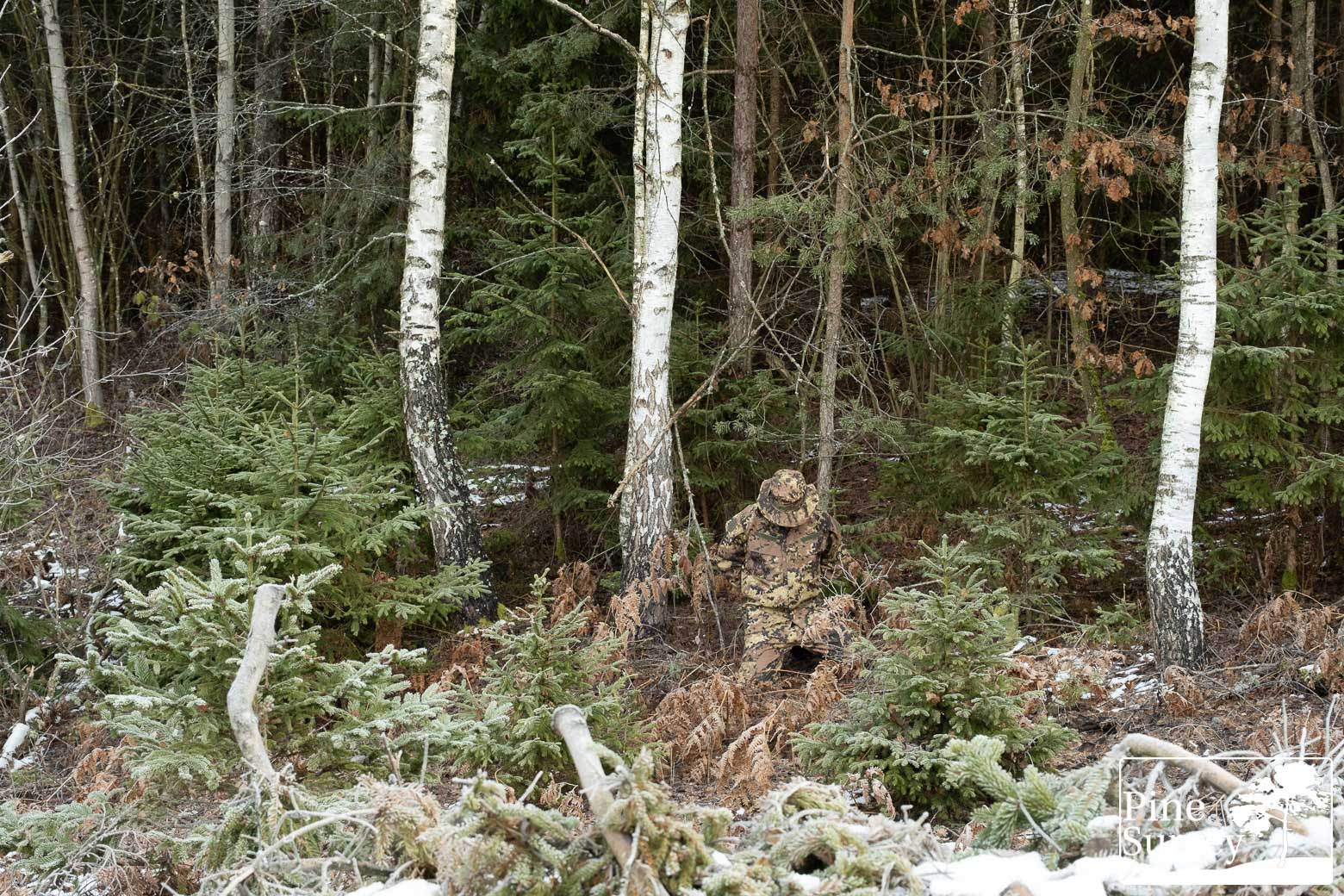
These pictures were taken with the usual logic: standing, kneelin, prone – wide angle and 35mm focal length. As this is no usual field test, I spare you the usual methodic remarks.
Conclusion
While Vegetato is undoubtedly a pattern designed for a semi-arid Mediterranean environment, Italy has many different landscapes. I believe that Vegetato can cope with changing seasons and vegetation because it features a very well-designed organic pattern made up of macro, midi and micro elements, as well as spot-on colouring (even with different prints).
The pattern works excellently not only in semi-arid environments, but also in deciduous and coniferous forests in autumn.
With that being said I want to thank Perunika one more time!
Many thanks for reading!
Take care!