
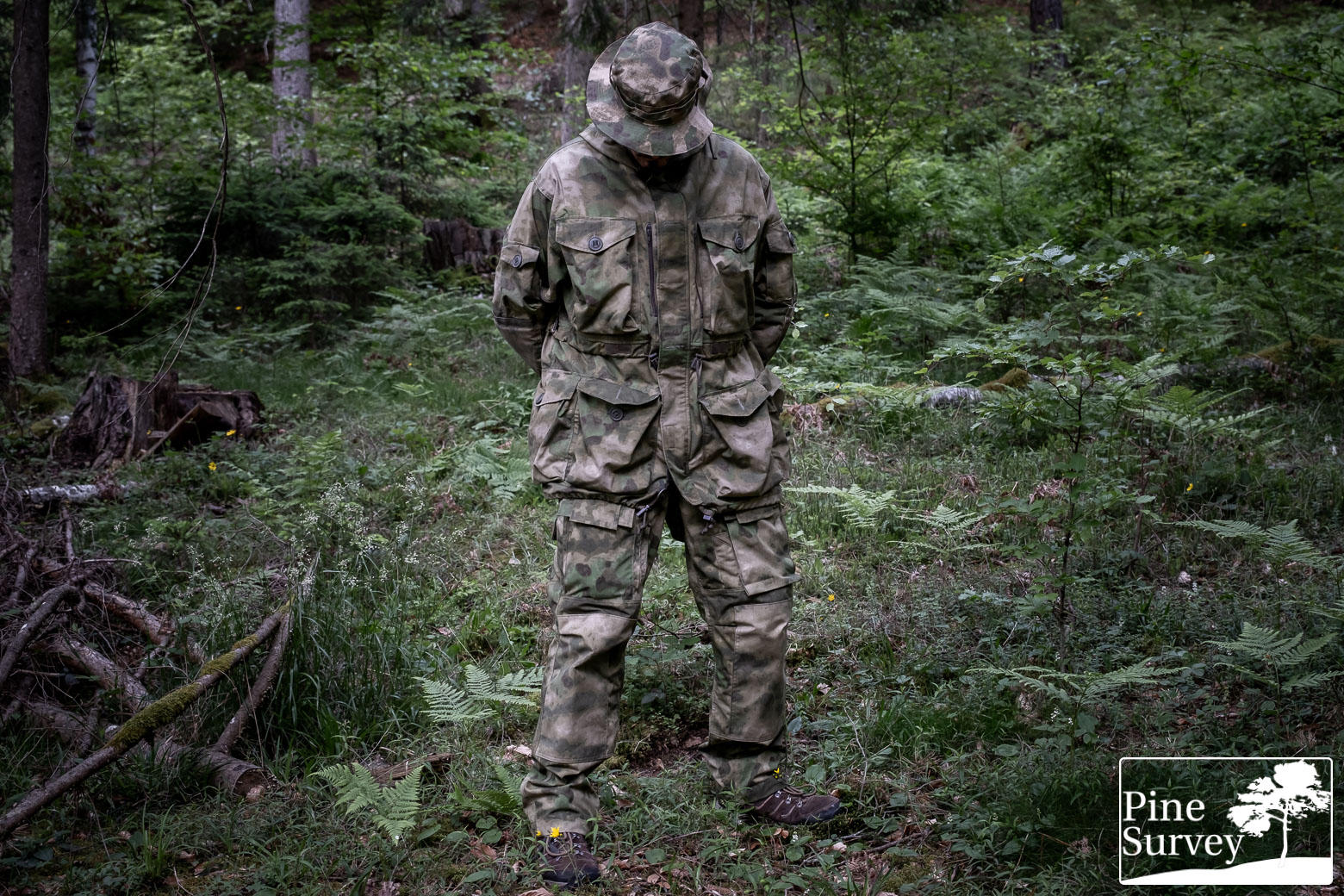
Field Test: Digital Concealment Systems – A-TACS FG
Introduction
There are only a few commercial camouflage patterns developed in the last 10-15 years that are still relevant today, even though there are new ones introduced on a regular basis. A-TACS FG is one of those patterns, and despite it having been around for over 15 years, I have never really done a field test with it. Some time ago, however, I managed to assemble a complete setup, even though FG items are hard to find these days – especially if you don’t want to rely on Russian derivatives.
Since its introduction to the camouflage market, plenty of developments have occurred surrounding A-TACS FG, so it is worth taking a closer look at the timeline.
Background to A-TACS FG
Between 2010 and 2011, Digital Concealment Systems released A-TACS FG as a temperate and woodland-oriented counterpart to AU. While it followed the same overall design philosophy of AU – organic shapes, non-pixelated structure, and a micro-/macro-layering approach – the pattern geometry itself was reworked. The color palette was developed independently and consisted of multiple sampled green tones combined with muted earth colors. FG was intended for woodland, mixed vegetation, and transitional terrain, with contrast levels adjusted to reduce visual separation in foliage-dominated environments.
During the early to mid-2010s, A-TACS FG was marketed primarily to professional users, including special operations forces, law-enforcement agencies, and other tactical organizations. Large-scale or standardized adoption by Western special forces remained limited, with use generally confined to small units or individual procurement. The pattern saw more consistent uptake in parts of Europe, where it appeared with some Polish military and police units, particularly in mixed rural and semi-urban environments.
From approximately 2015 onward, interest in A-TACS FG increased in Russia. Russian manufacturers and equipment suppliers began offering uniforms and gear produced in the pattern. In 2016, SpecVoenProm concluded an exclusive distribution agreement with Digital Concealment Systems covering the licensed production and supply of genuine A-TACS FG materials for the Russian market. This agreement formalized the pattern’s availability to Russian military and special-purpose units and enabled continued production independent of Western commercial distribution.
In 2016-2017, Digital Concealment Systems introduced the A-TACS “X” series. This lineup was positioned as a generational successor rather than a parallel offering to the original AU and FG patterns. A-TACS iX was presented as a multi-environment solution combining characteristics associated with both arid and temperate settings. AU-X and FG-X followed as updated variants, featuring revised color palettes and contrast handling while retaining the broader A-TACS design principles.
By around 2017-2018, development and marketing efforts were largely focused on the X-series. Production of the original A-TACS FG declined in Western markets, and the pattern was increasingly described as discontinued or replaced in commercial catalogs. Licensed production for Russia continued under the 2016 SpecVoenProm agreement, resulting in a situation where A-TACS FG remained in active institutional use in Russia while becoming uncommon elsewhere.
In 2020, the Russian company 5.45 DESIGN publicly emphasized its exclusive right, derived from the SpecVoenProm agreement, to supply uniforms in genuine A-TACS FG to Russian special-purpose units. This highlighted the pattern’s continued relevance and demand within Russian service, despite its reduced visibility in Western markets. Another result of this development is the fact that one can observe several derivatives of FG in Russia, with slightly different colorations. By now the most common one, which is also closest to the original FG, is called “moss”. This variant features a brighter background color, making the overall appearance of the pattern stronger in contrast.
In 2022, Digital Concealment Systems announced that the original A-TACS AU and FG patterns would be reintroduced to the market. This announcement indicated a renewed production effort following several years in which the X-series had been the primary focus. The reintroduction reflected sustained interest in the original patterns and their established performance characteristics, rather than a fundamental change in the underlying A-TACS design approach.
Methodic Remarks
As always I want to point out several important aspects beforehand. First of all, I do not claim any scientific standard with my camouflage comparisons. I also conduct them with my best knowledge and the available resources. That being said, this is as comparative as it gets on the internet and on one platform in particular.
The pictures are usually taken at the same locations I always use for my camouflage comparisons. That way you can compare the various field tests I have done so far with each other. For this particular test two new locations were added, to show the pattern in its intended environment.
Before I start, please consider the following – as always:
If not stated otherwise I did not edit the pictures in any special way, except the following:
- Lens correction
- Watermark
- Blurred my face out if necessary
- .jpeg compression to make it web compliant
- I always do a proper white balance to make colors appear the way they are.
A short explanation to the environment and the procedure:
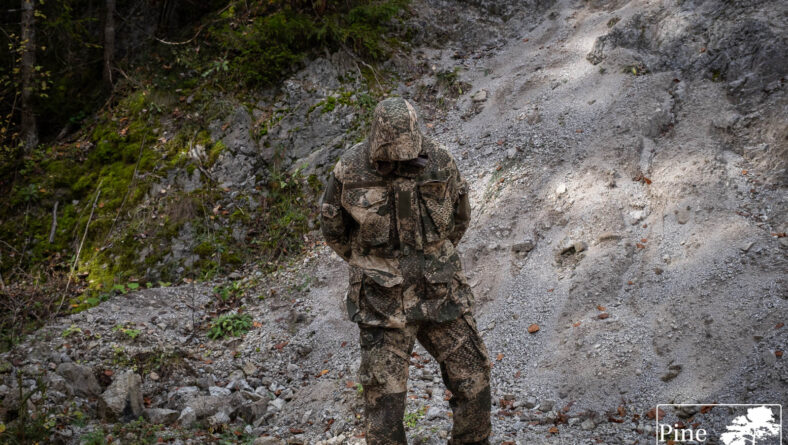
The pattern was tested in a Central European environment. Information about the various locations will be stated in the subsections. The pictures usually portray three different positions:
- Standing in the open (to get an idea of the pattern in this particular surrounding and if the colors match it)
- kneeling
- A leaning position (to mimic basic concealment/cover, without using vegetational enhancements)
As always I photographed the pattern with a wide angle lens at first and then with 35mm focal length, which mimics the actual picture the human eye would perceive at this distance. Having in mind the three different positions mentioned before, I usually end up with 6 pictures of each location.
Furthermore:
Given the amount of pictures in my field tests, I will not describe or comment on each picture. Instead I will give a more thorough analysis at the end of each subsection.
With that being said, let’s take a closer look at the pictures themselves.
A-TACS FG
Location 1
- European mixed forest with a high foliage canopy and some basic bushes, lush green ferns and little trees on the ground.
- The floor is covered with tree trunks and cut branches, which change in color depending on the season.
- The pictures were taken in Summer and feature strong sunbeams and an overall “busier” lit environment.
- The camera is standing roughly 20 away from the human silhouette.
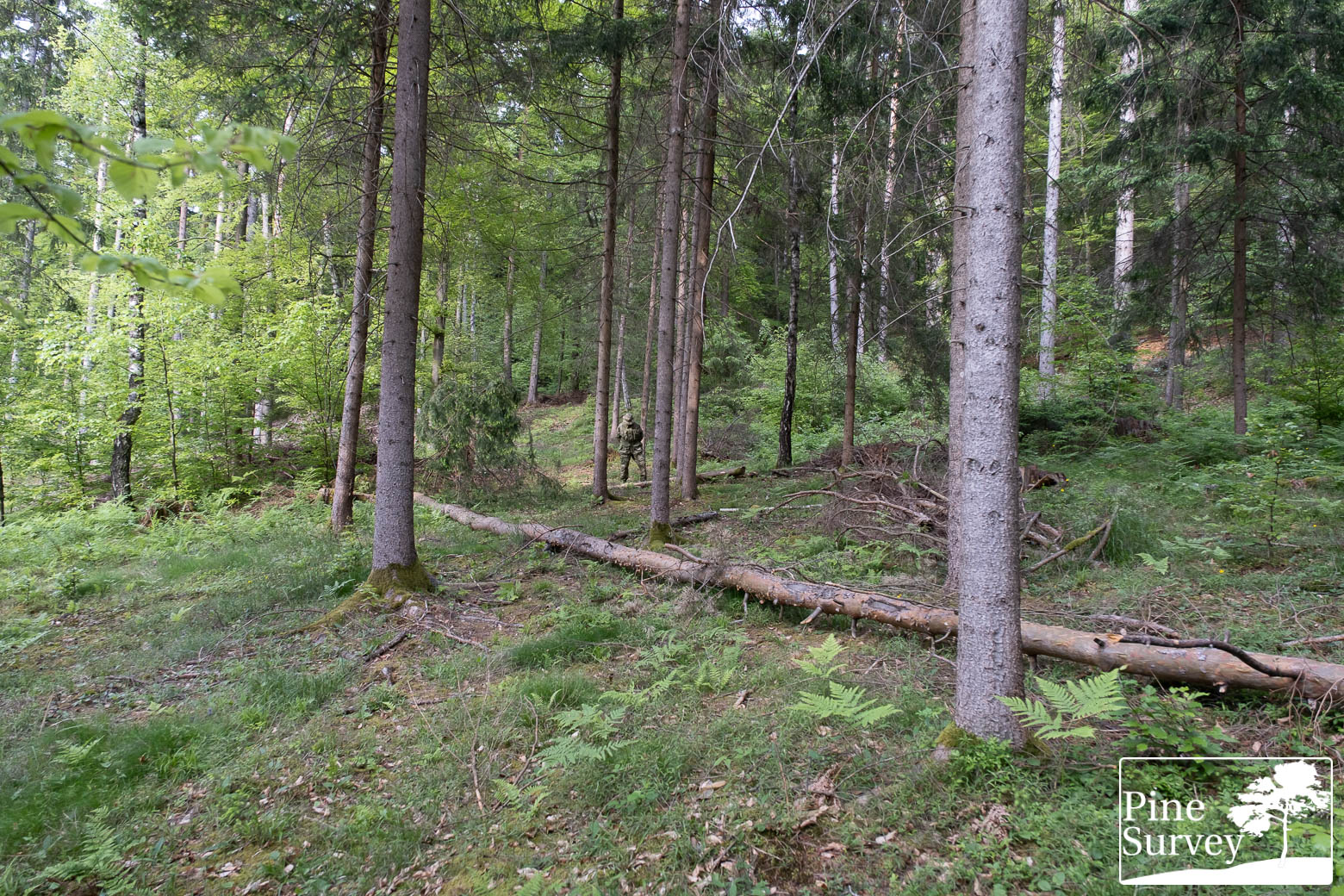
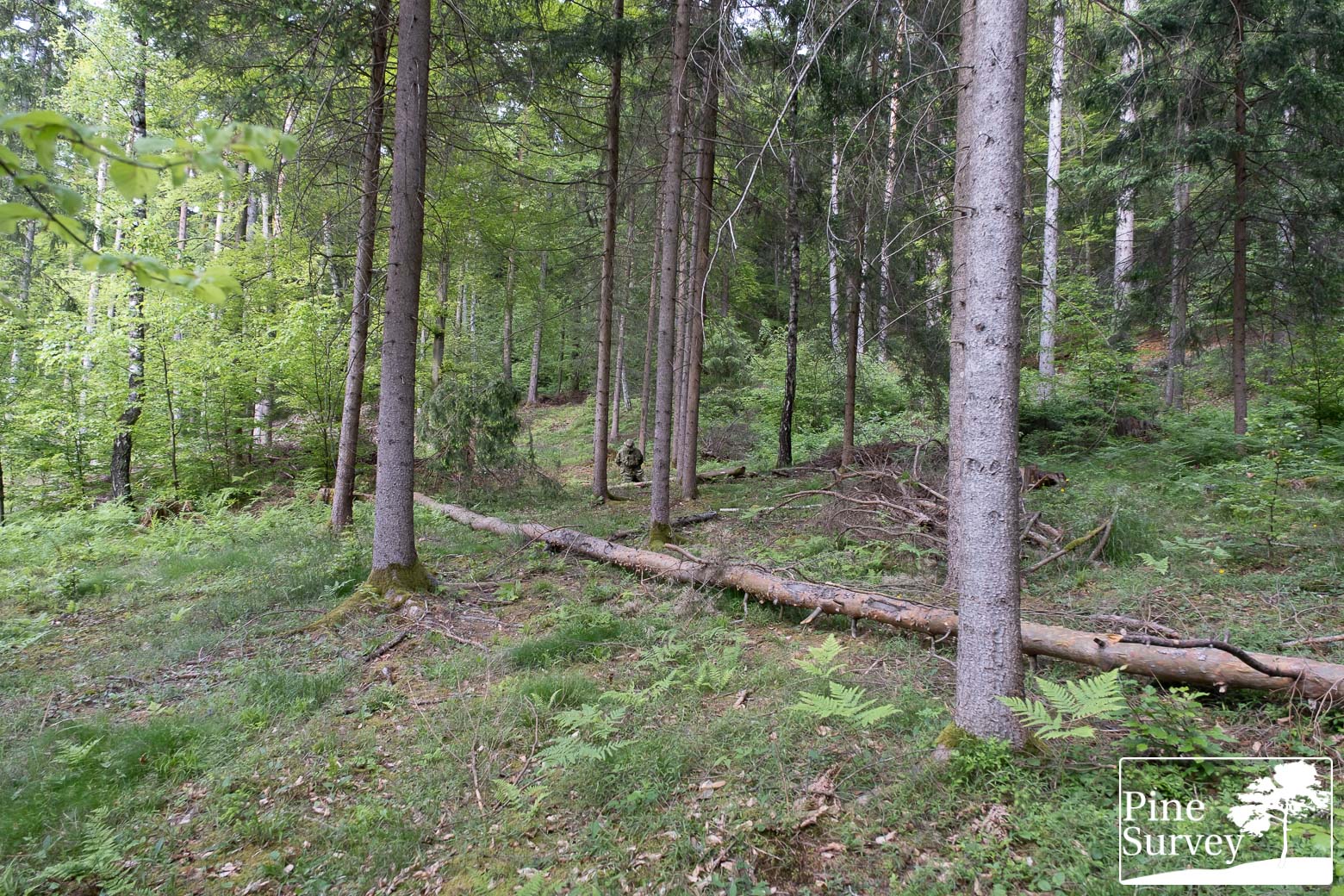
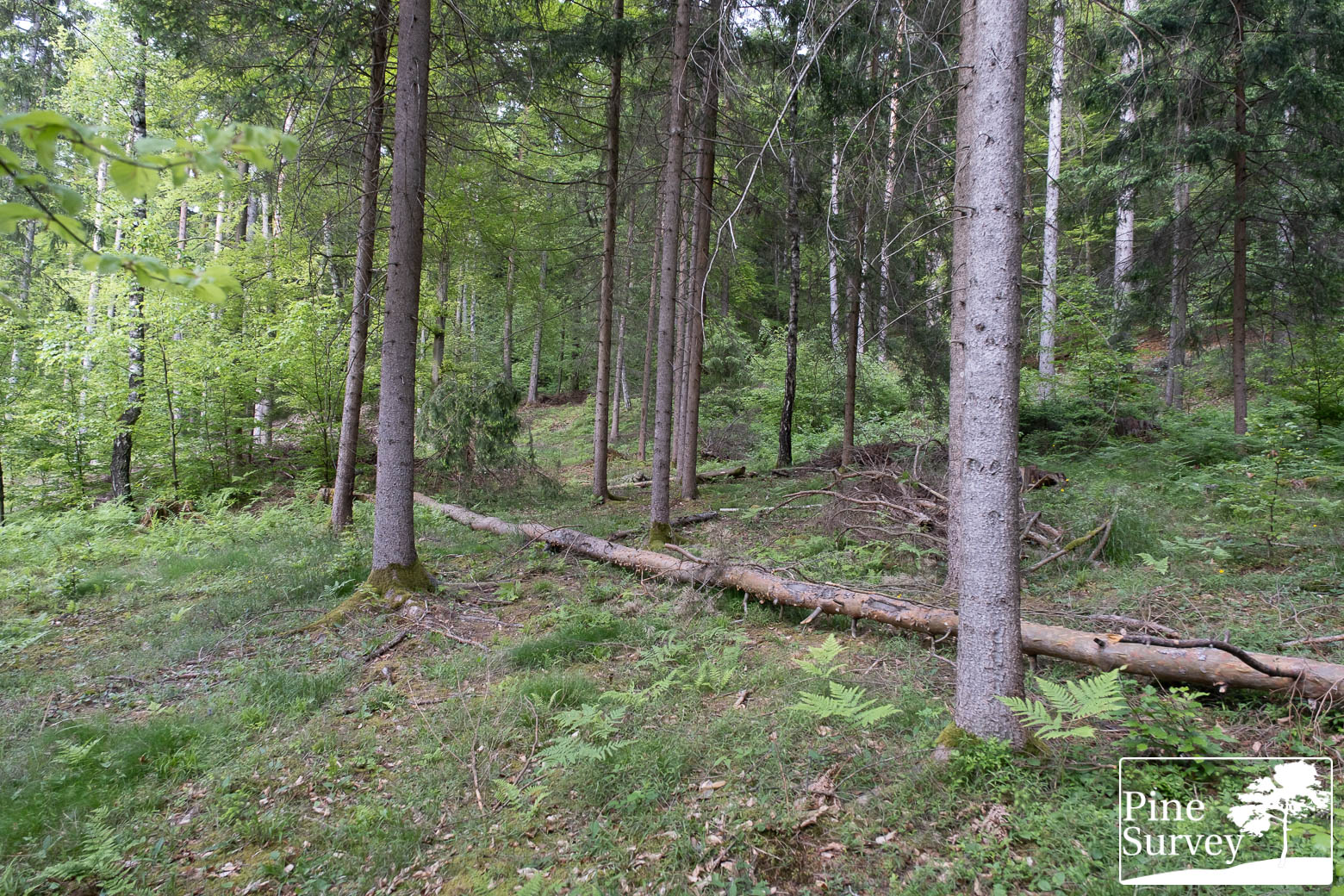
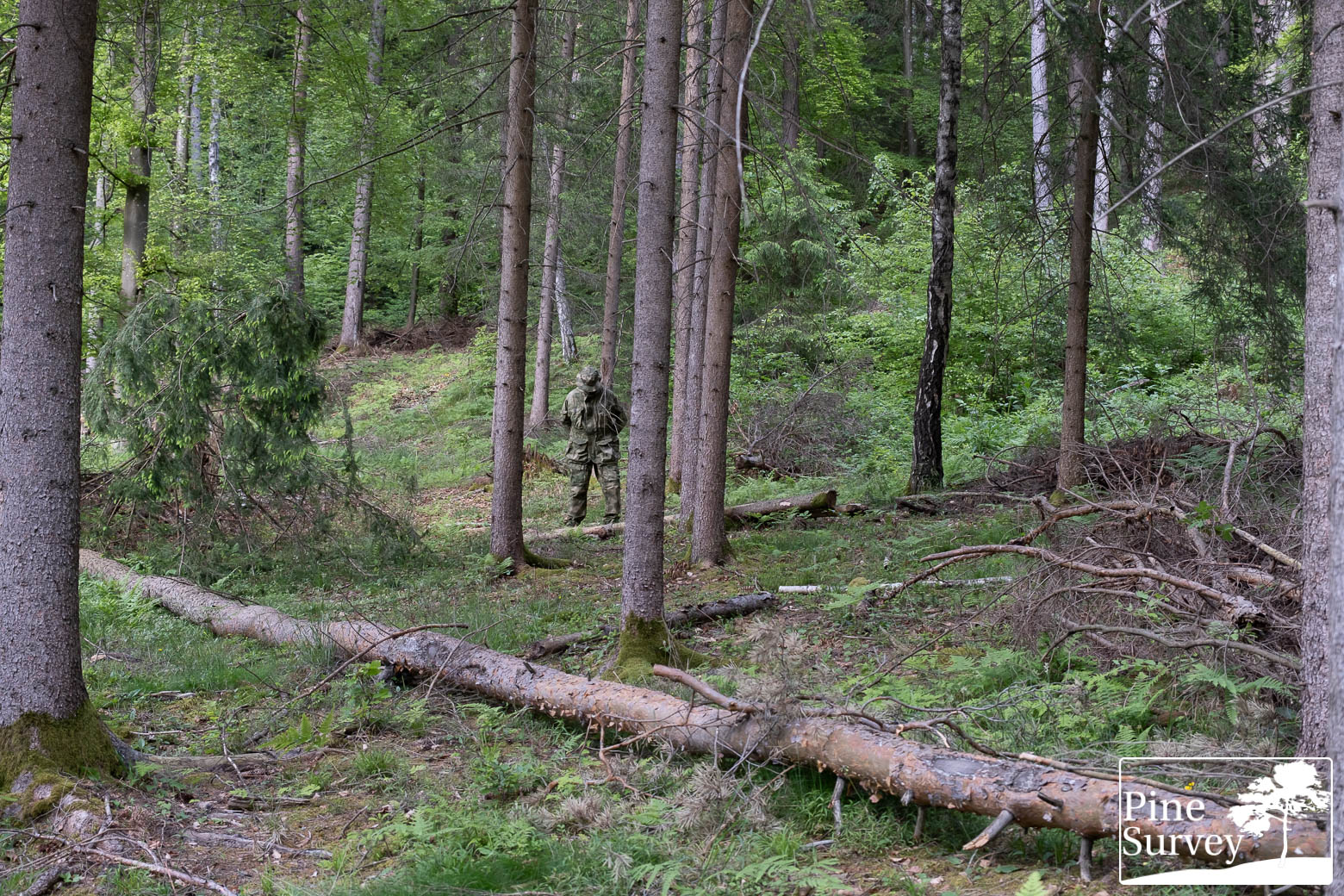
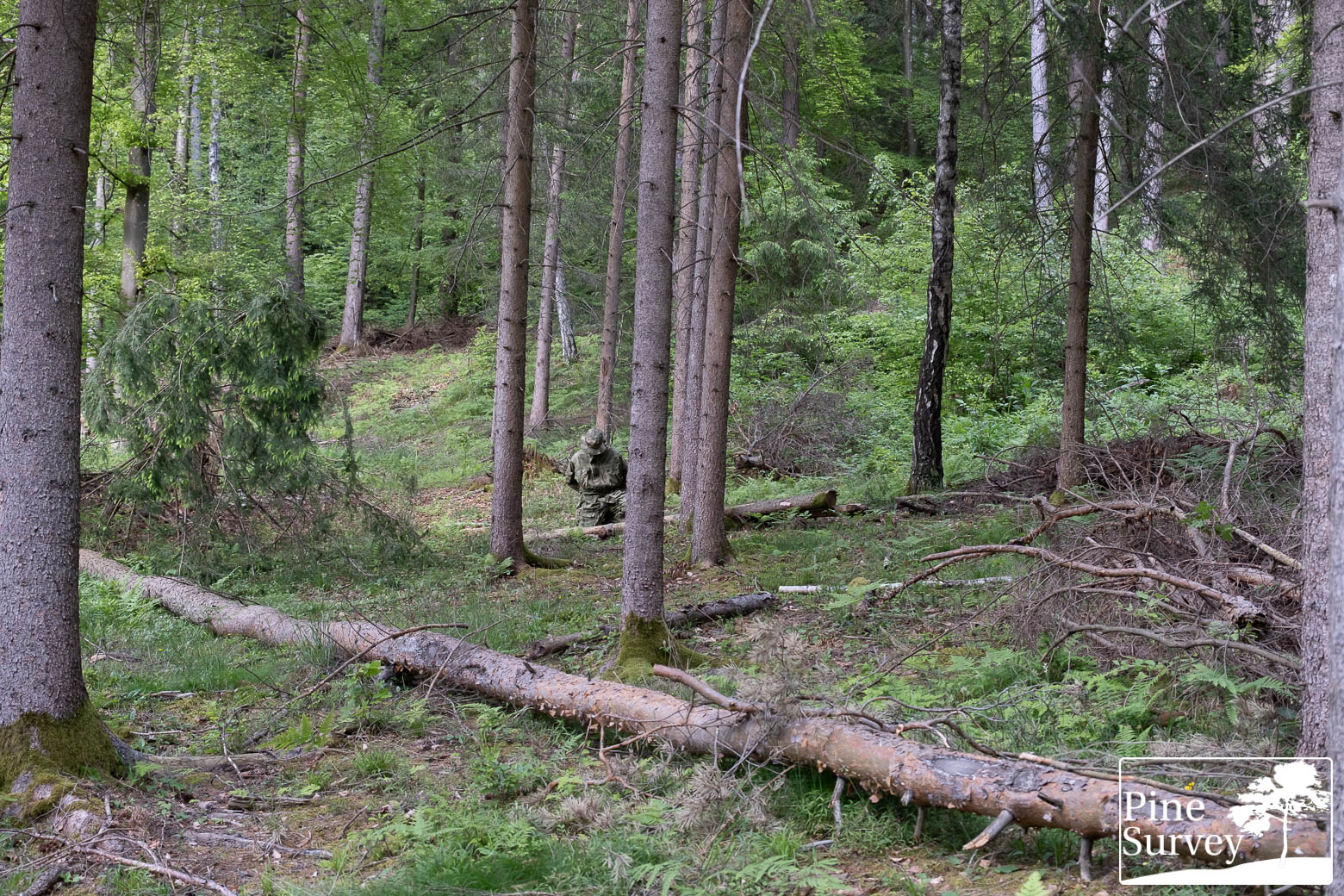
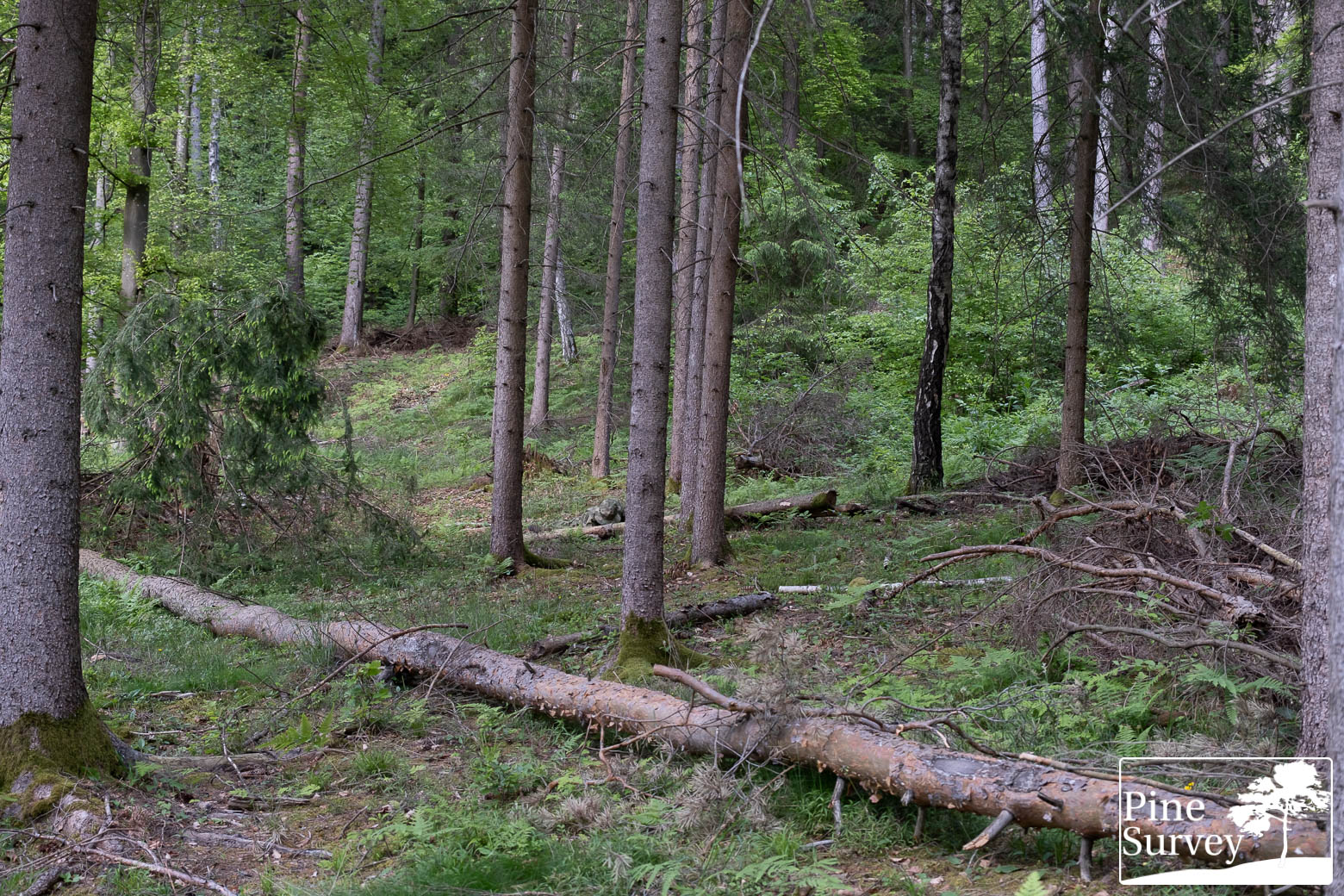
Observations – Location 1
Wide angle lens
- Standing position: Surprisingly good blending effect despite strong back light and resulting shadows on torso.
- No disruptive effect of the makro elements in the pattern, because of lacking contrast – shadows of the folds in the clothes.
- The straight lines of the legs make the silhouette visible.
- Kneeling position results in a smaller silhouette. The blending of the colors works, but no pattern elements are visibible.
- Backlight creates visible shadows on the person.
- Prone position results in complete concealment. The blending effect works with the surrounding environment.
35mm focal length
- 35mm focal length provides more detailed impressions.
- A-TACS FG makro pattern is visible from this distance, but only results in minimal disruption of the silhouette.
- Backlight is an issue in this specific situation, however, there is an excellent blending effect and the natural colors of the pattern match the surroundings.
- Kneeling minimizes the silhouette and the shadows as well as parts of the makro elements create a decent disruption of the person.
- Regarding the prone – the above mentioned statements apply.
Location 2
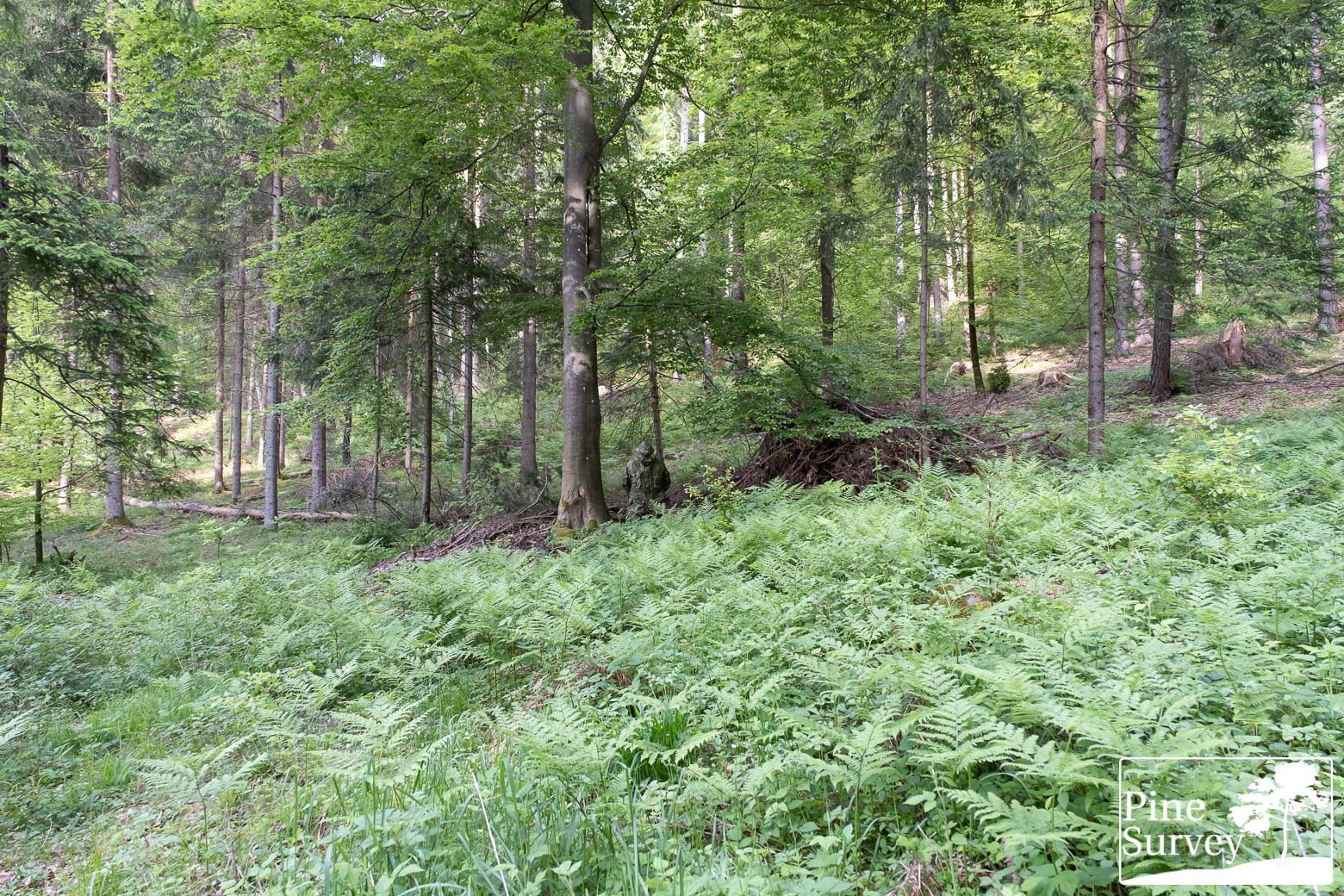
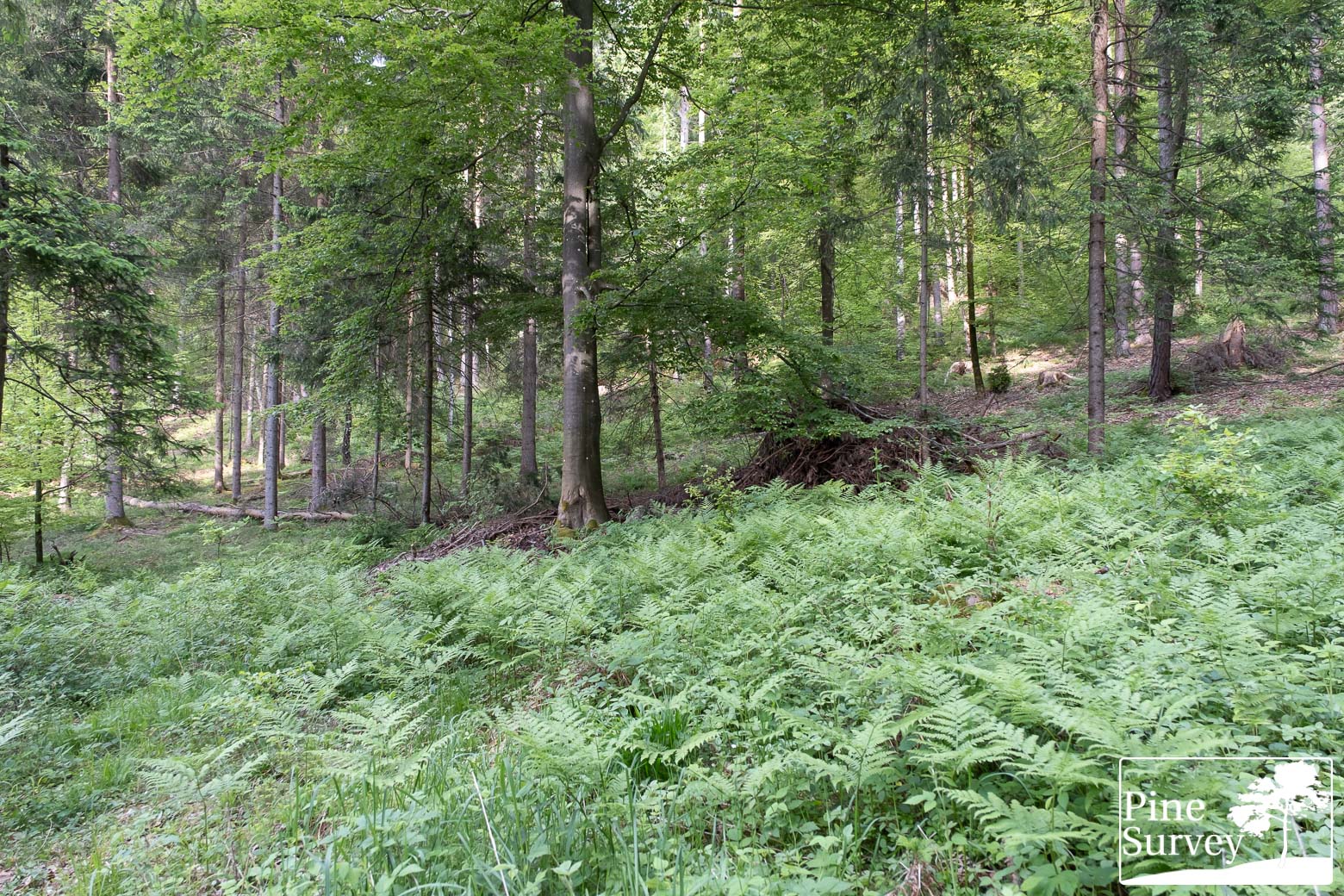
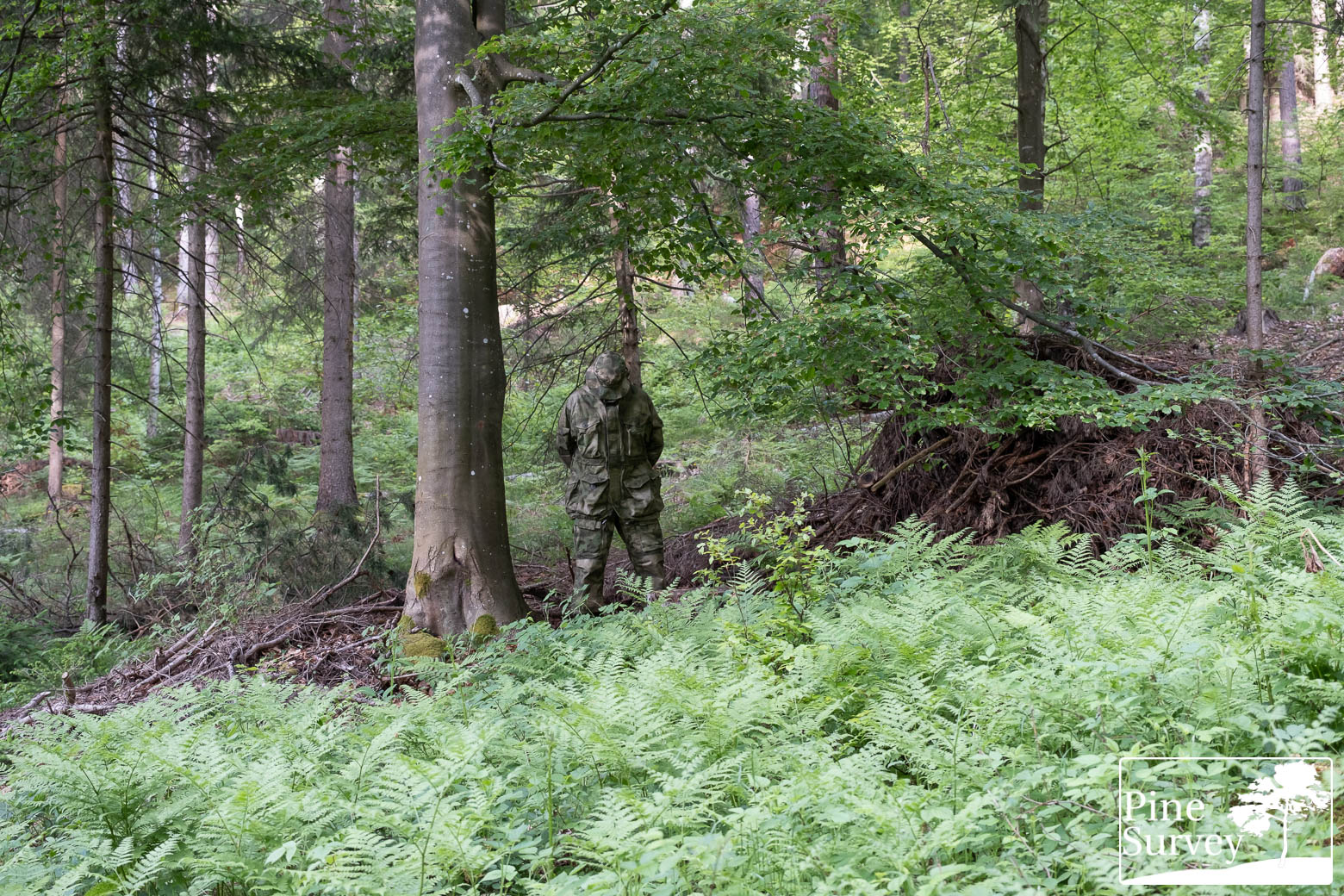
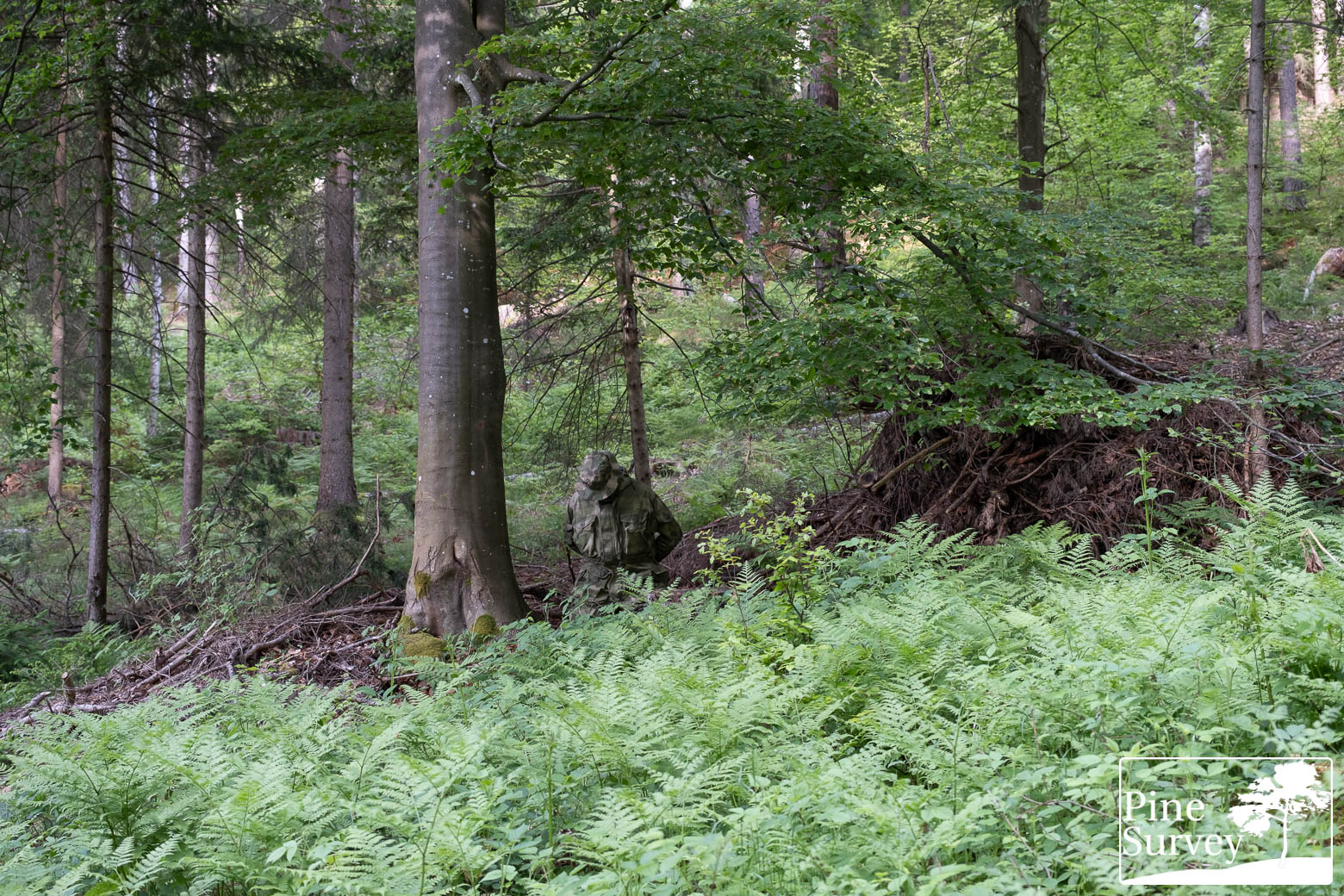
- Mixture of deciduous and coniferous forest, with a huge pile of cut branches on one side.
- Pictures were taken in summer and present strong sunbeams and therefore more challenging light settings.
- The site shows thicker vegetation in the background and very persistent ferns in the front.
- Distance is roughly 15m.
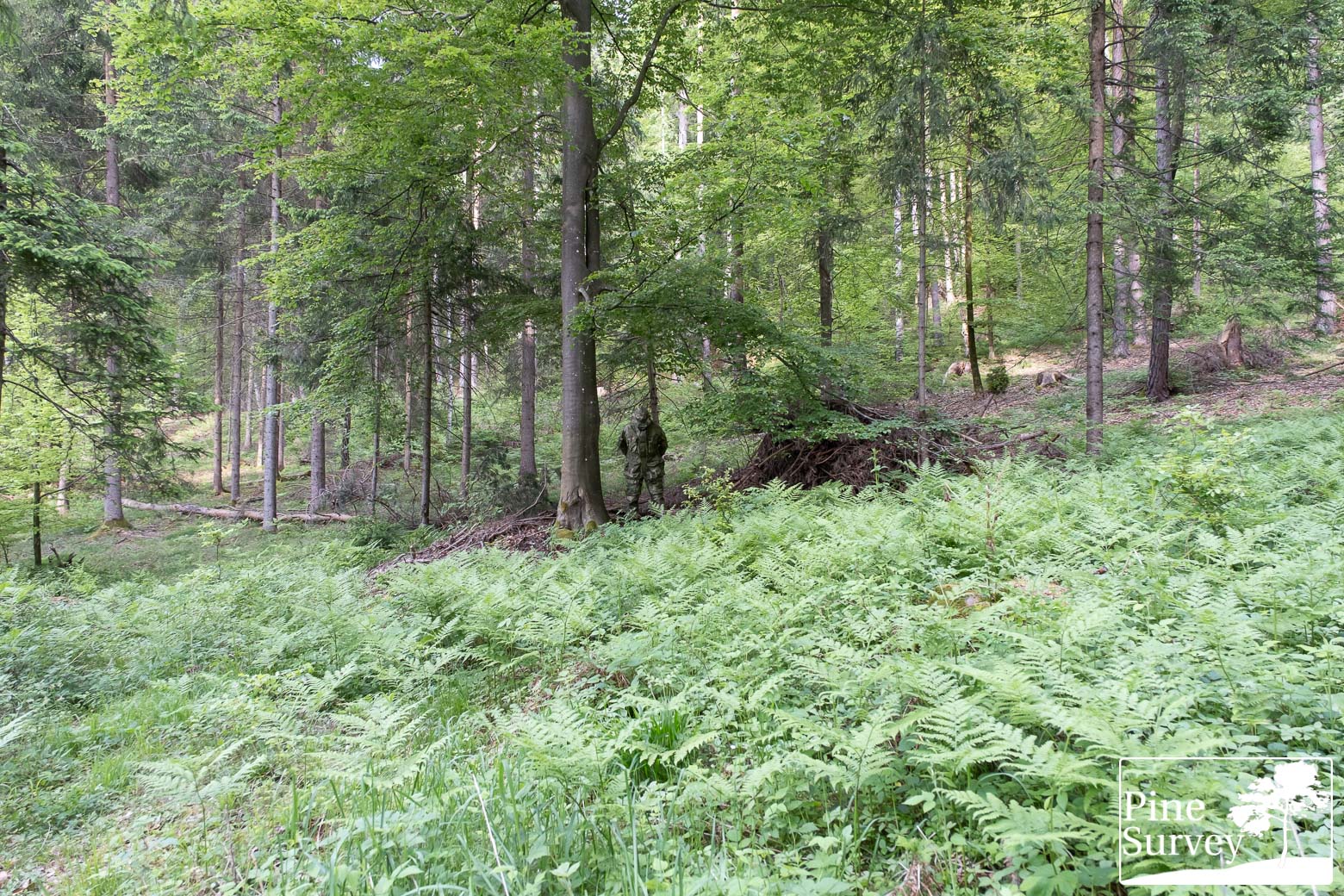
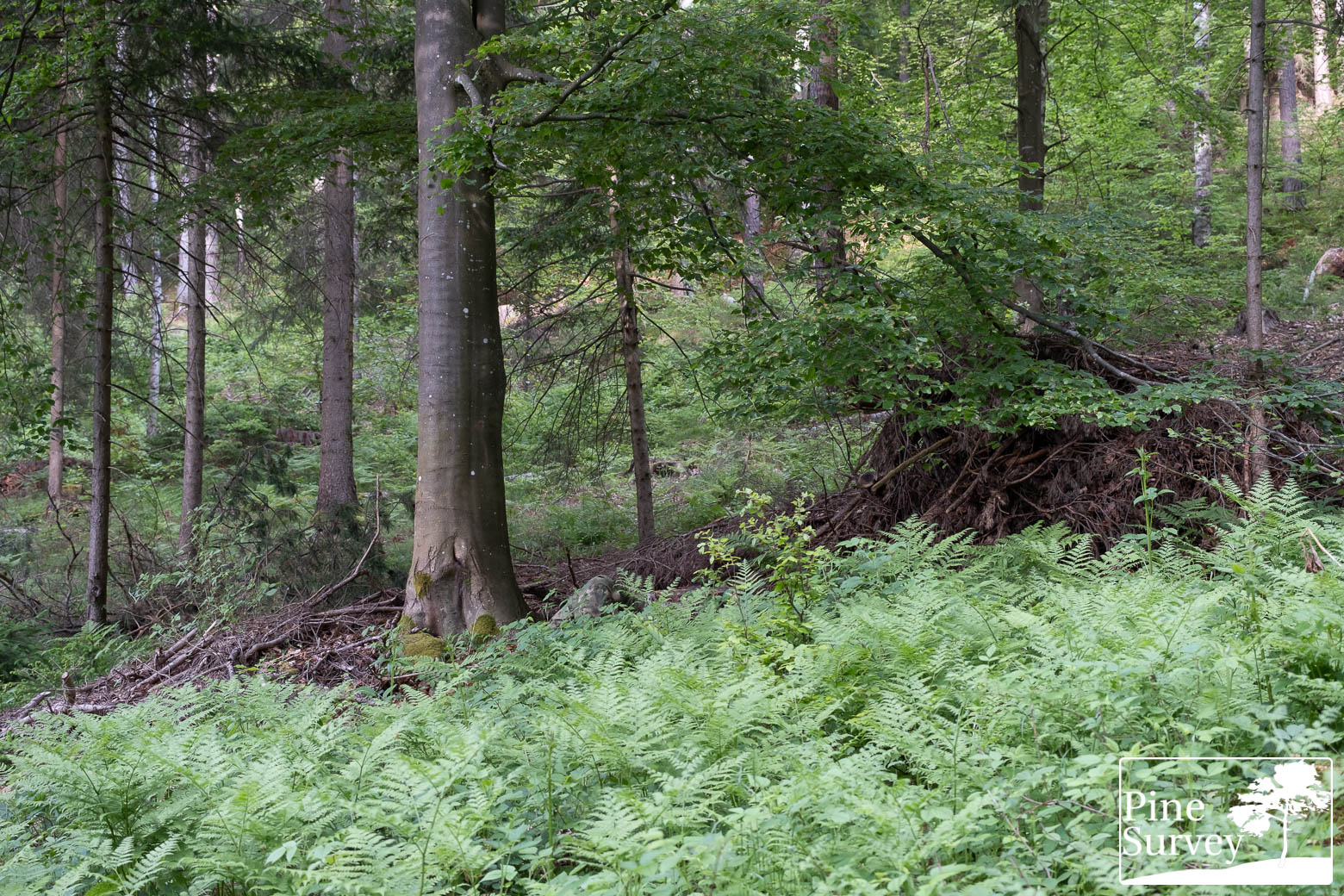
Observations – Location 2
Wide angle lens
- The strong light in the background creates a significant backlight and a darker silhouette.
- The A-TACS FG makro pattern is partly visible – especially the bright spots of the tan background of the pattern.
- Overall the colors do match the surroundings, especially the tree trunks. Nevertheless the standing position provides the least amount of camouflage effect.
- The kneeling position changes said camouflage effect – especially since the light conditions changed as well.
- A-TACS FG shows an overall good blending effect, with minimal disruption properties of the makro elements. With the person kneeling the human shape is less visible and the colors of the pattern blend into the surroundings.
- The prone position hides the user behind the ferns and profits from the blending effect of the colors.
35mm focal length
- In the standing position one can see the A-TACS FG pattern and its makro elements. The color palette matches the woodland environment, despite being darker. However, one has to keep in mind the lush green ferns, which are in the bright sunlight.
- Despite the considerable backlight, there is a noticeable blending effect of the A-TACS FG colors.
- The kneeling position results in a remarkable improvement of the pattern’s performance. The human shape is less noticeable and the coloration of the makro elements match the surroundings better.
- For the prone position the above mentioned statements apply.
Addendum
As always I want to provide some additional impressions of the pattern, especially since there was considerable backlight in my usual locations. As a result I did some pictures in the same spot, but in different directions – aimed more towards the slope. Distance is roughly 10m.
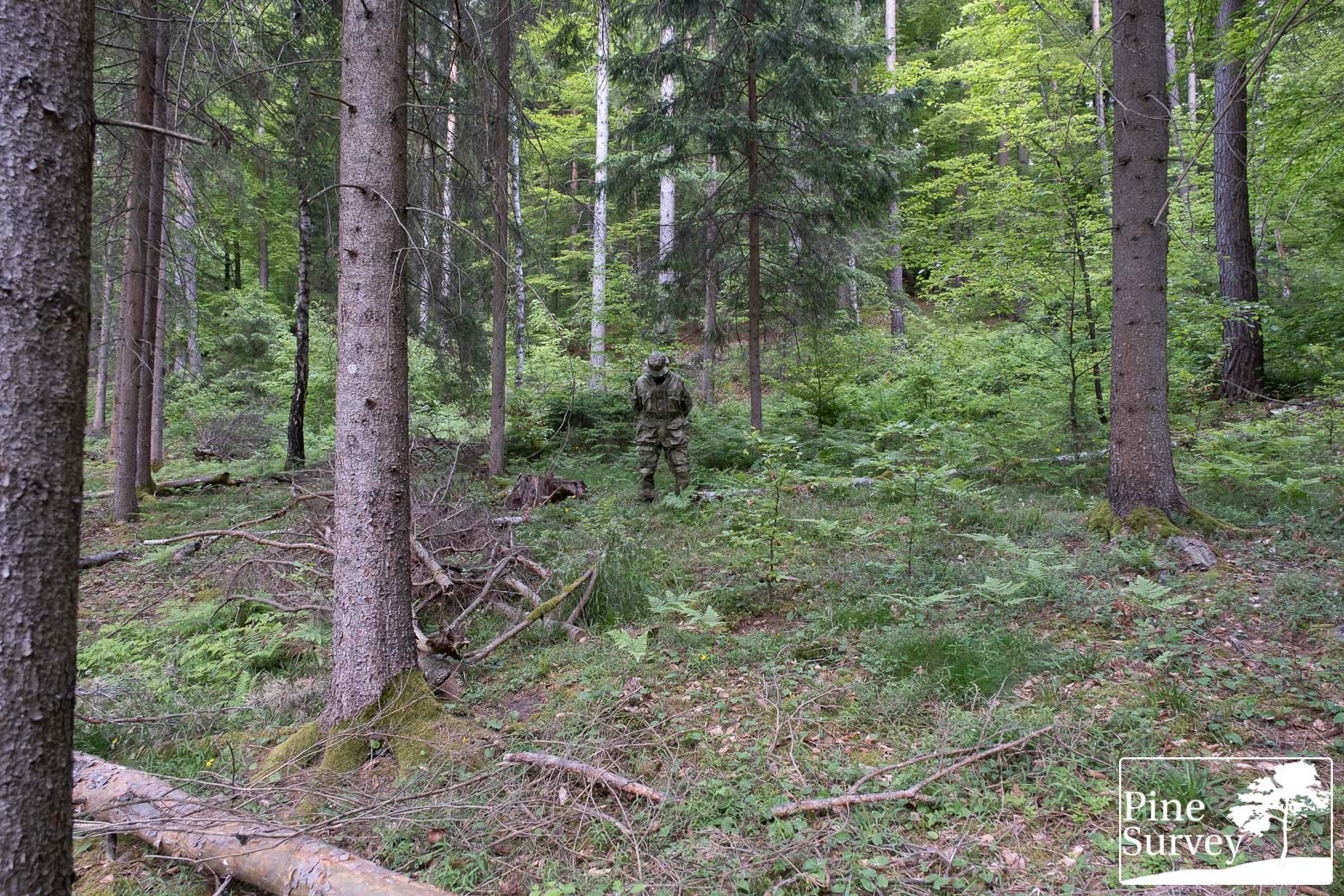
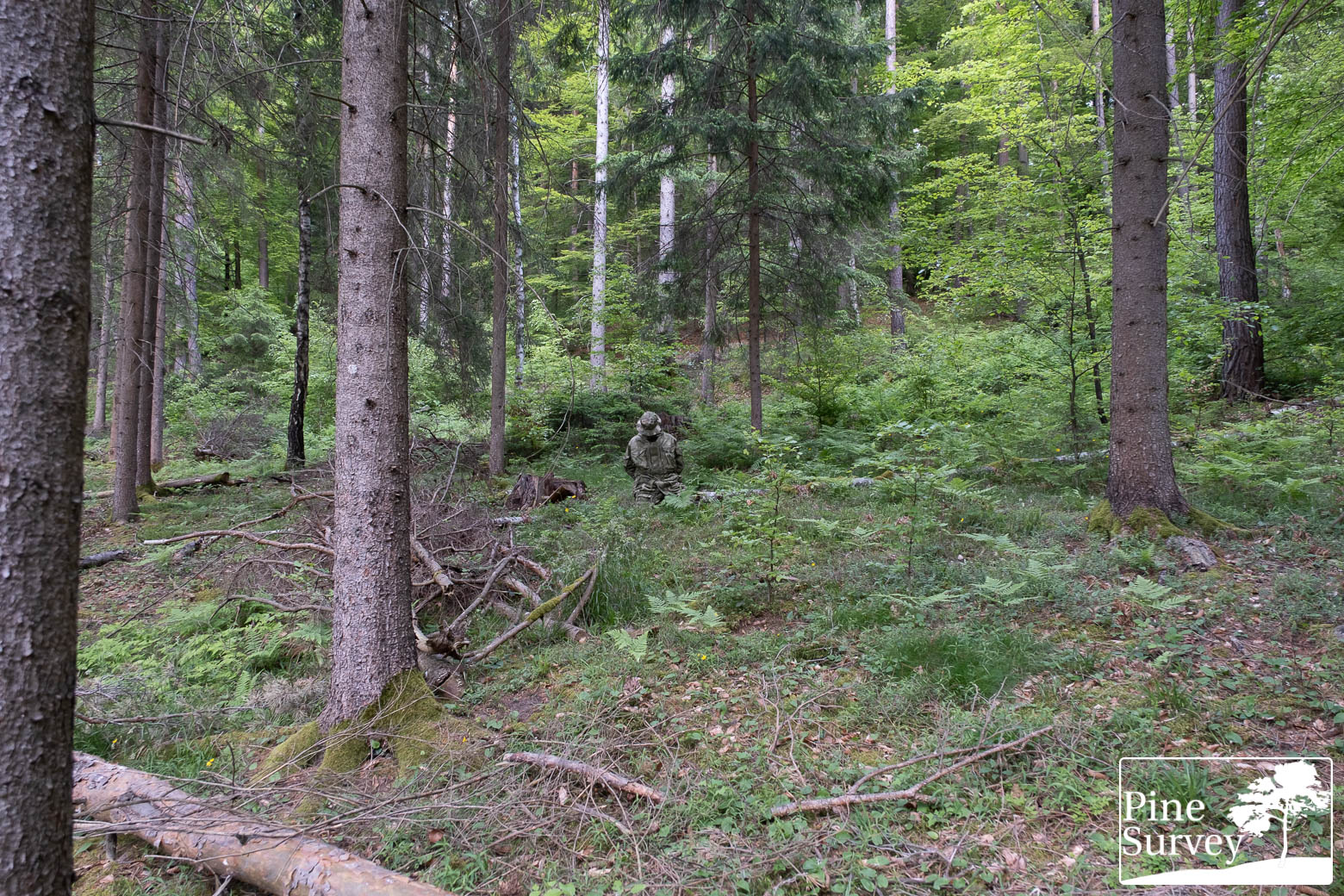
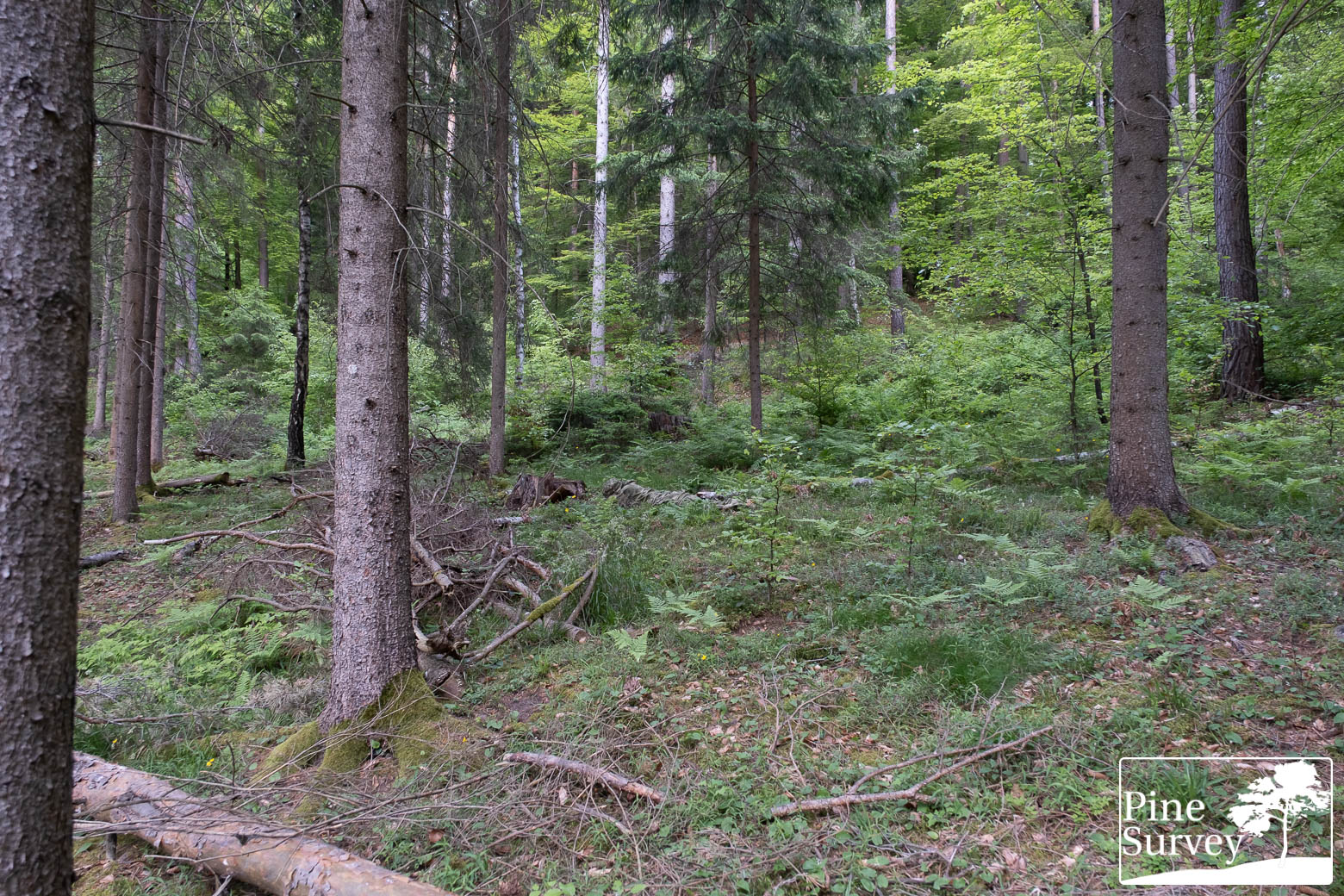
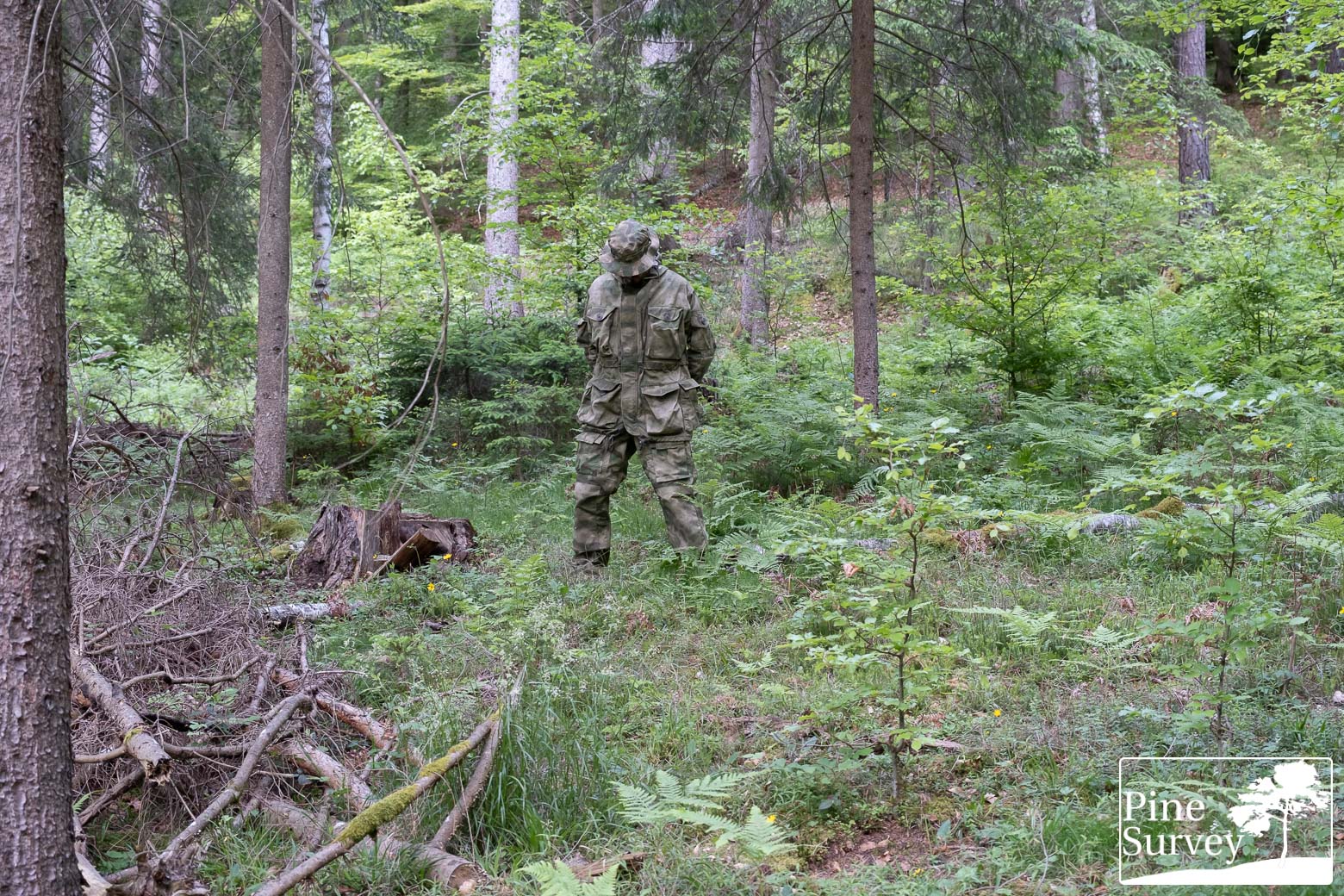
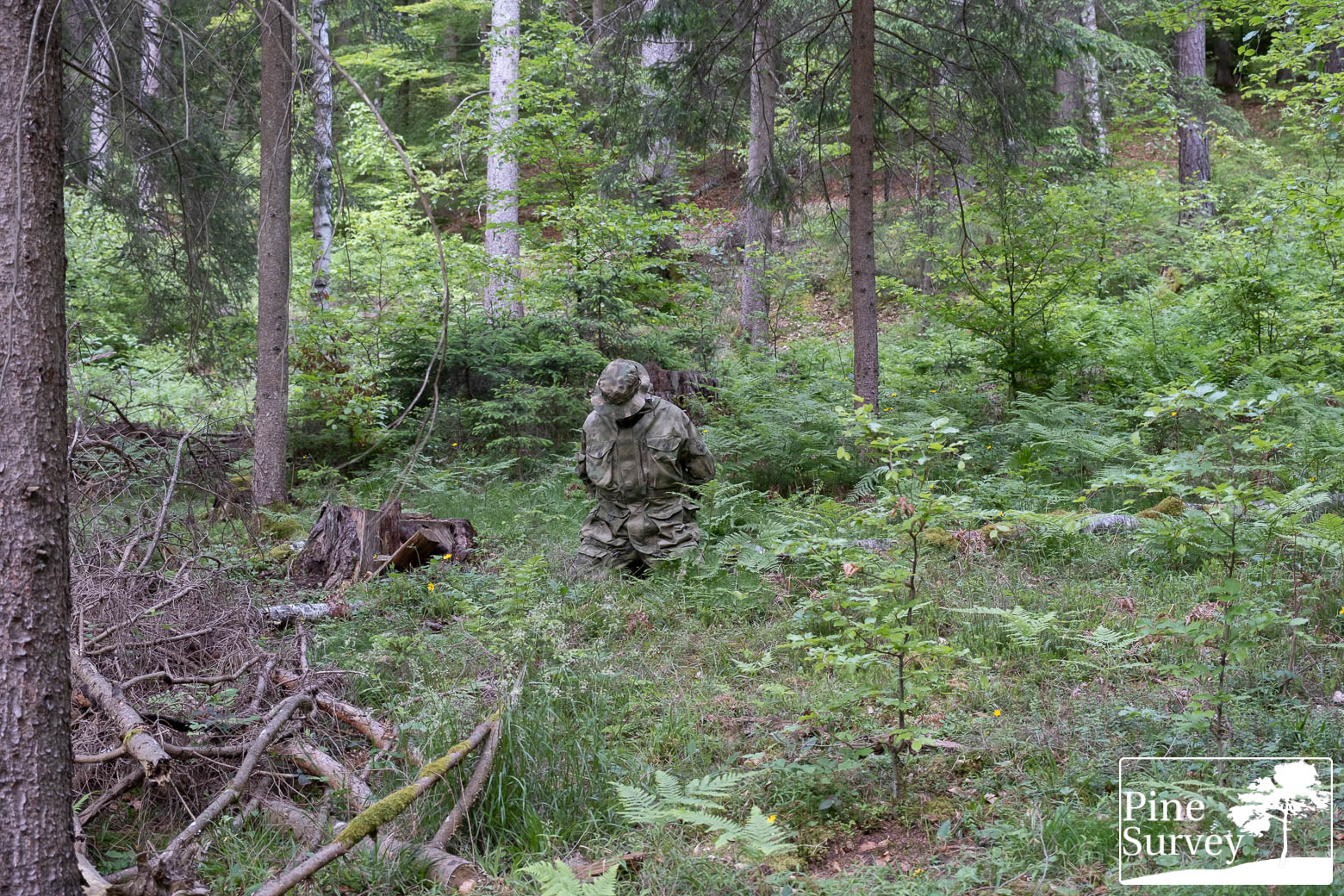
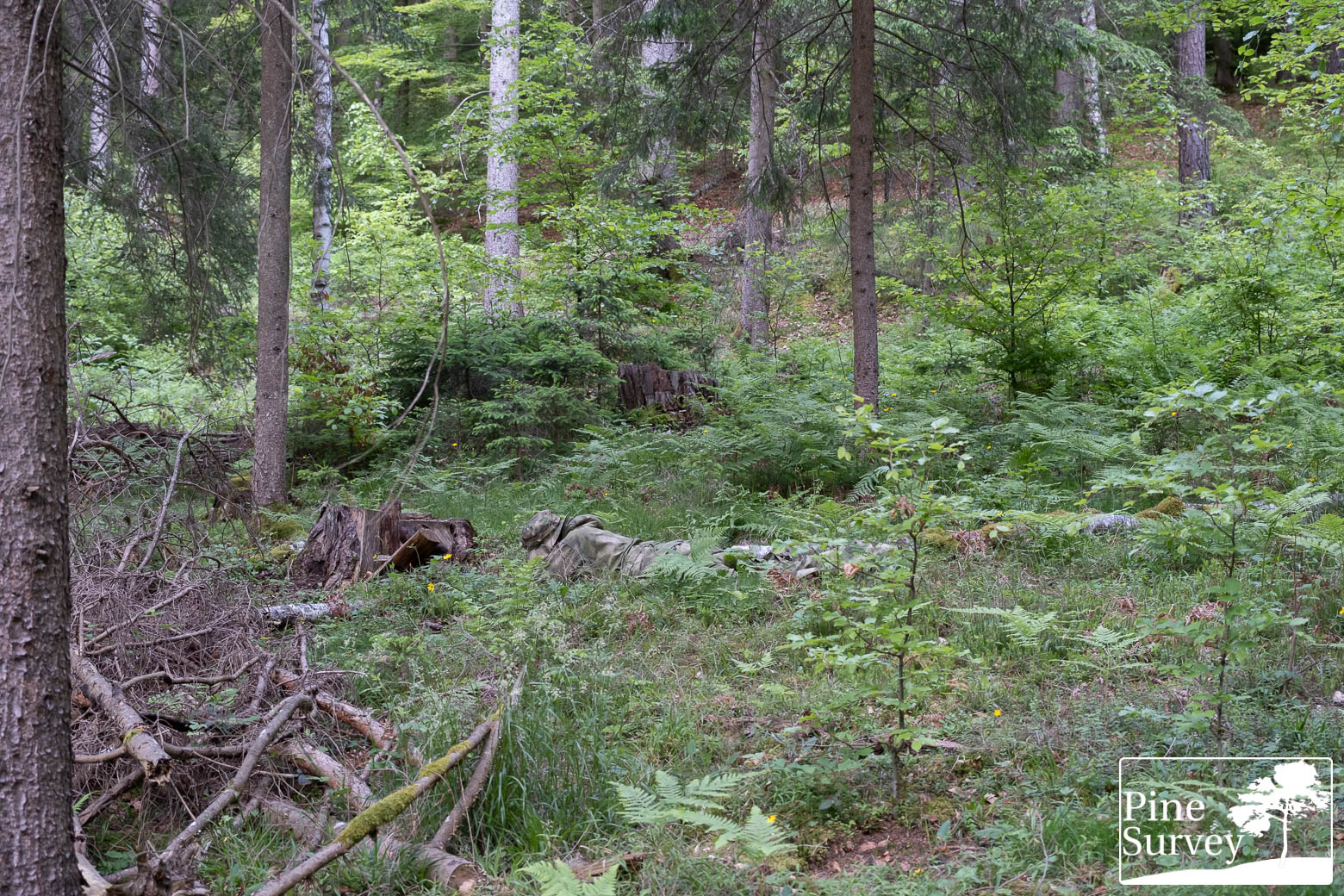
Wide angle lens
- In the standing position the overall appearance is dark, because of backlight (again).
- This changes when kneeling down, as there is less backlight. The colors of the pattern start to blend in better with the environment.
- The prone position shows the person from the side – resulting in a larger visible area. It shows how the colors of the ATACS-FG pattern as well as some of the fractals match the surrounding area and give the impression of a tree trunk.
35mm focal length
- At 35mm focal length one gets a good impression of the flat appearance and lacking contrast of the ATACS-FG pattern. Especially when it is in a more direct light.
- The muted colors and overall green and greyish-tan appearance provide a workable blending effect – at this short distance, the silhouette is obviously visible (as with any other pattern).
- Kneeling gives a good impression of the above mentioned statements. 35mm focal length is approximately what the human eye would see at this distance. The blending is quite good, but there is no visible disruption.
- For the prone position the above mentioned statements apply.
Conclusion
A-TACS FG has a staunch following. The same can be said about those that do not favor it. Personally I was always conflicted as I liked the overall look and appearance, but was never convinced of the patterns effectiveness, as there were plenty of other more effective patterns available. That being said, I realized another effect while wearing the pattern, and this is completely subjective and psychological: As A-TACS FG is composed of “muddy” colors and has more of a “washed” look, it feels more organic and natural, than other patterns that are either pixelated or feature more contrasting, artificial pattern elements. As a result, I “felt” more concealed, even though I was not when looking at it from an objective position as an observer. This is an interesting observation, and the existence of this kind of effect was confirmed to me by a clinical psychiatrist.
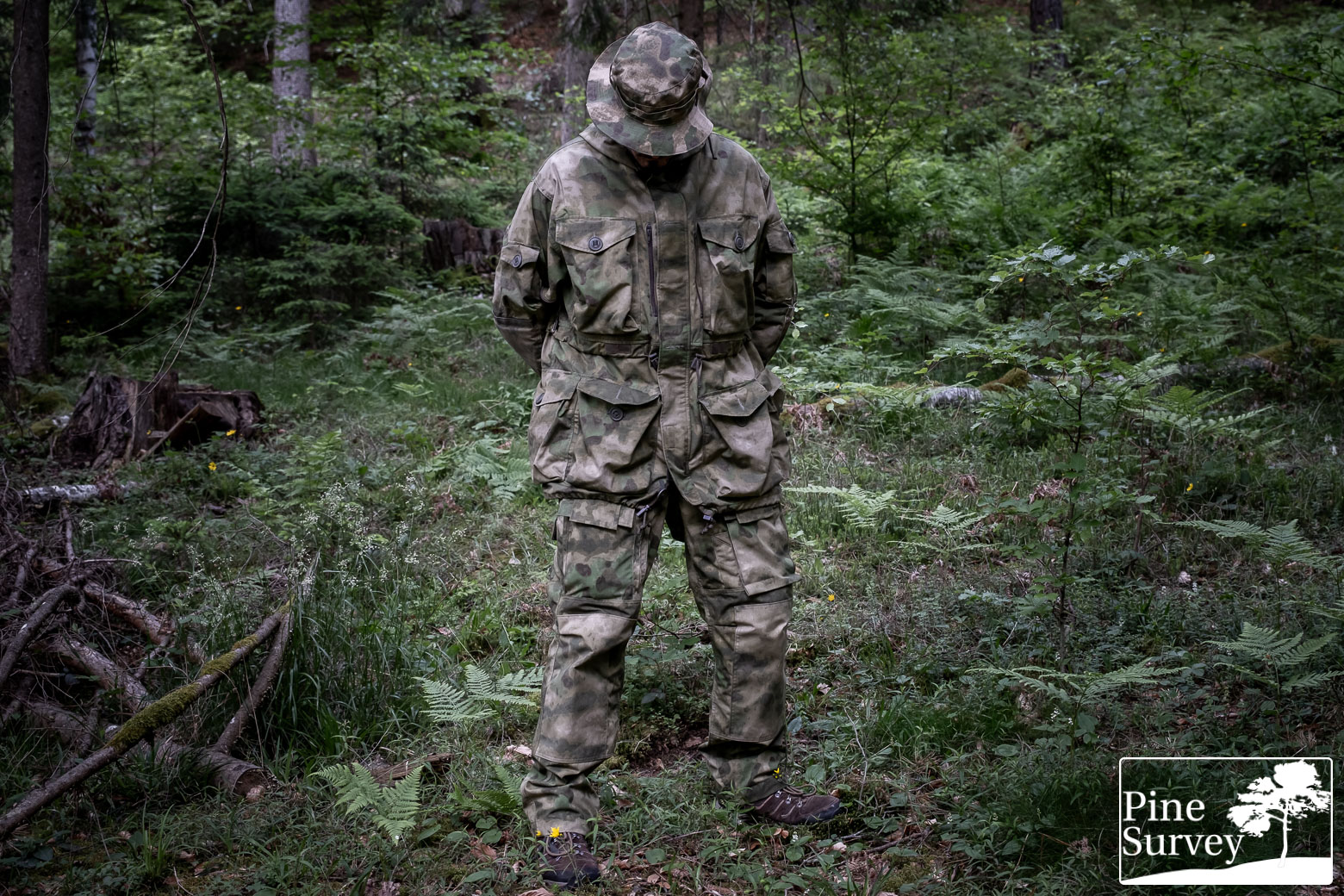
Trivia and personal opinions aside: A-TACS FG does perform in a woodland scenario even with a lush green environment of early summer. The colors of the pattern provide a decent blending effect, albeit lacking the disruptive properties one might know from other commercial camouflage patterns like Kryptek, PenCott or Phantomleaf. Having said that, it would be interesting to see a complete set of the Russian “Moss” variant – as it is noticeable higher in contrast – to give a small example: the boonie in this field test is made from the A-TACS FG derivative Moss.
With that being said I want to thank you for reading! I hope this field test provided some added value!
Take care!
Great test, I am happy that you picked up camo testing again.
Thx, main problem is time… wish I could do more, but right now it is simply not possible.