PenCott GreenZone – Revisited
Introduction
Some good news surfaced back in February: PenCott GreenZone is returning with several new fabric options. As I reported at the time, Hyde Definition has teamed up with WidePlus International from Taiwan to relaunch GreenZone in woven and printed materials, which were presented at EnforceTac 2026 in Nürnberg. The new fabrics meet strict military specifications regarding colorfastness, durability and near-infrared signature management.
A press release is one thing, I had the chance to see for myself, how the new fabric holds up.
A quick look back
PenCott GreenZone has been a frequent camouflage pattern on this blog, and for good reason. Over the years it proved to be one of the most versatile and effective camouflage patterns I have tested. As we know: Its organic look featuring natural colors and micro, midi and macro geometry works in two ways: it blends into the background and disrupts the silhouette at the same time.
The downside was that the fabric became hard to get in recent years, resulting in the discontinuation by several producers. After an extended absence, it is now available again.
New impressions of PenCott GreenZone
Thanks to Hyde Definition and WidePlus, I was able to obtain a sample of the new NyCo fabric. They made a basic BDU uniform for me to test the new print and evaluate its NIR performance.
Having already tested PenCott GreenZone extensively on this blog, I will stick to sharing my initial impressions rather than conducting a full field test.
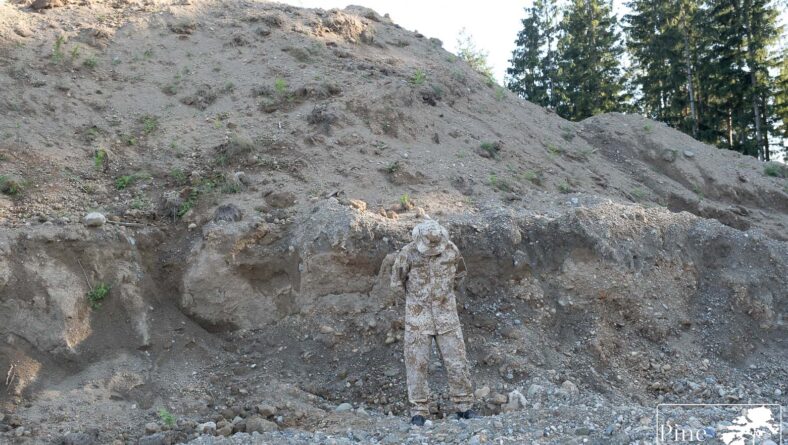
The forest pictures were taken in June on a bright day, so you will see strong pockets of light and harsh shadows.
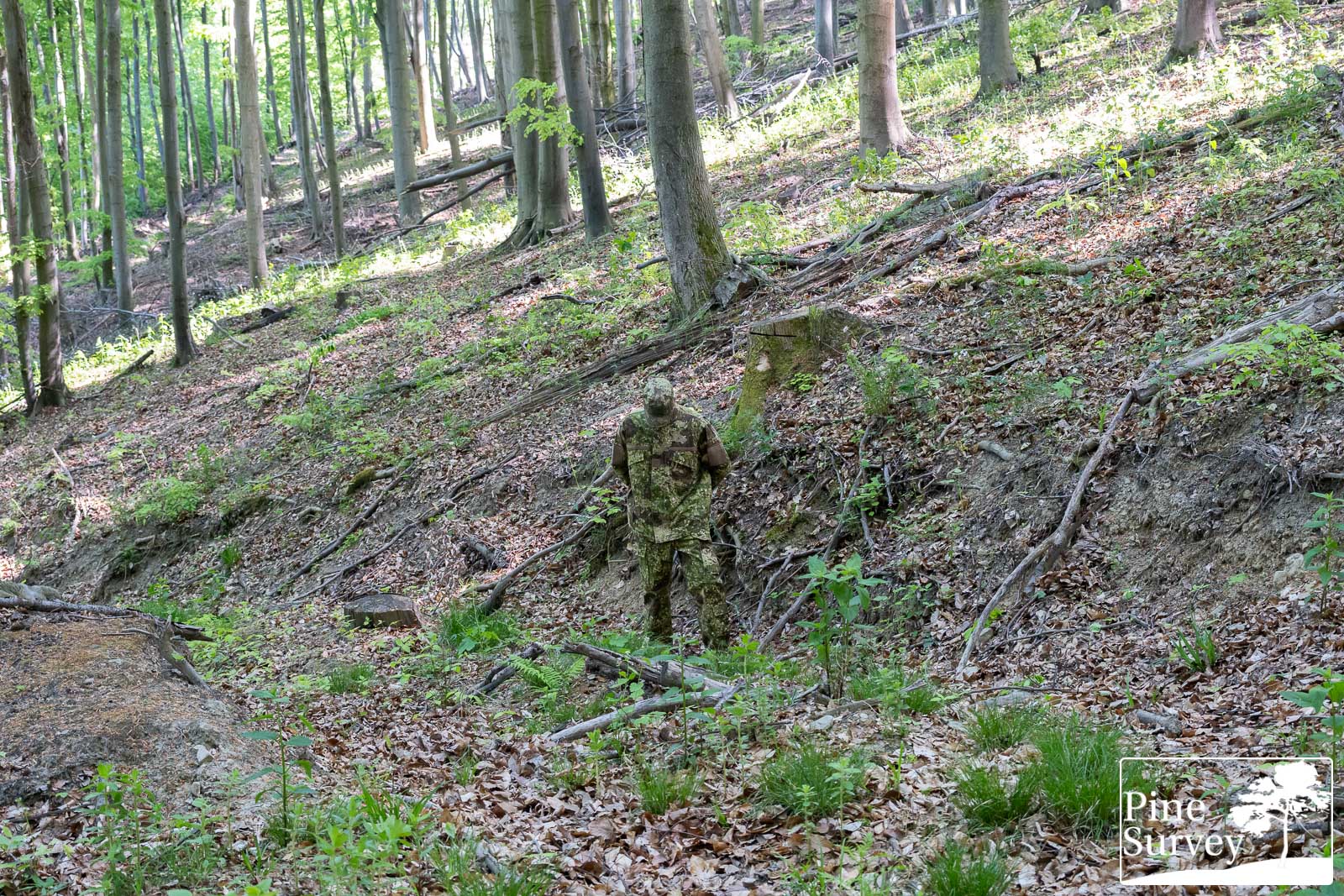
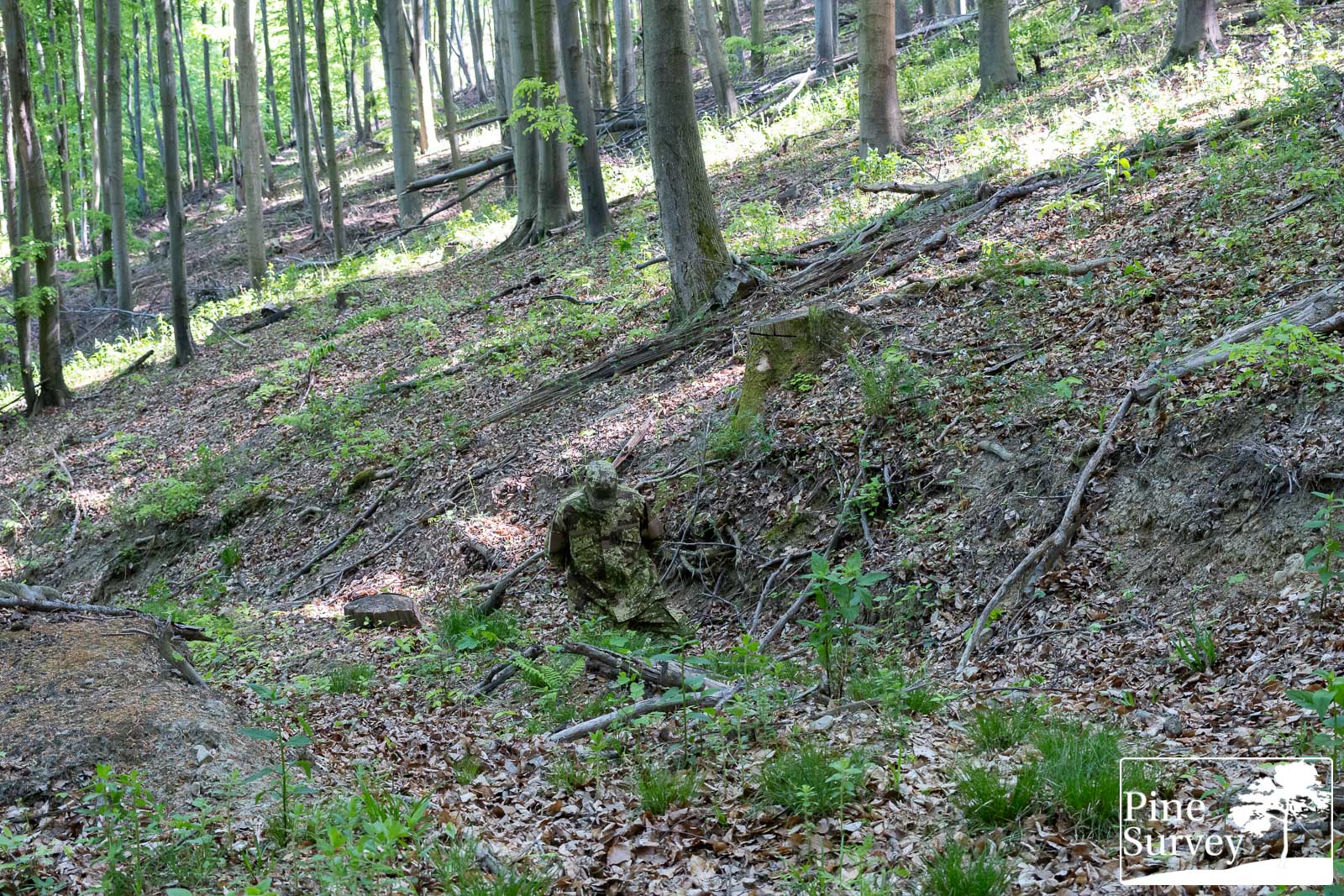
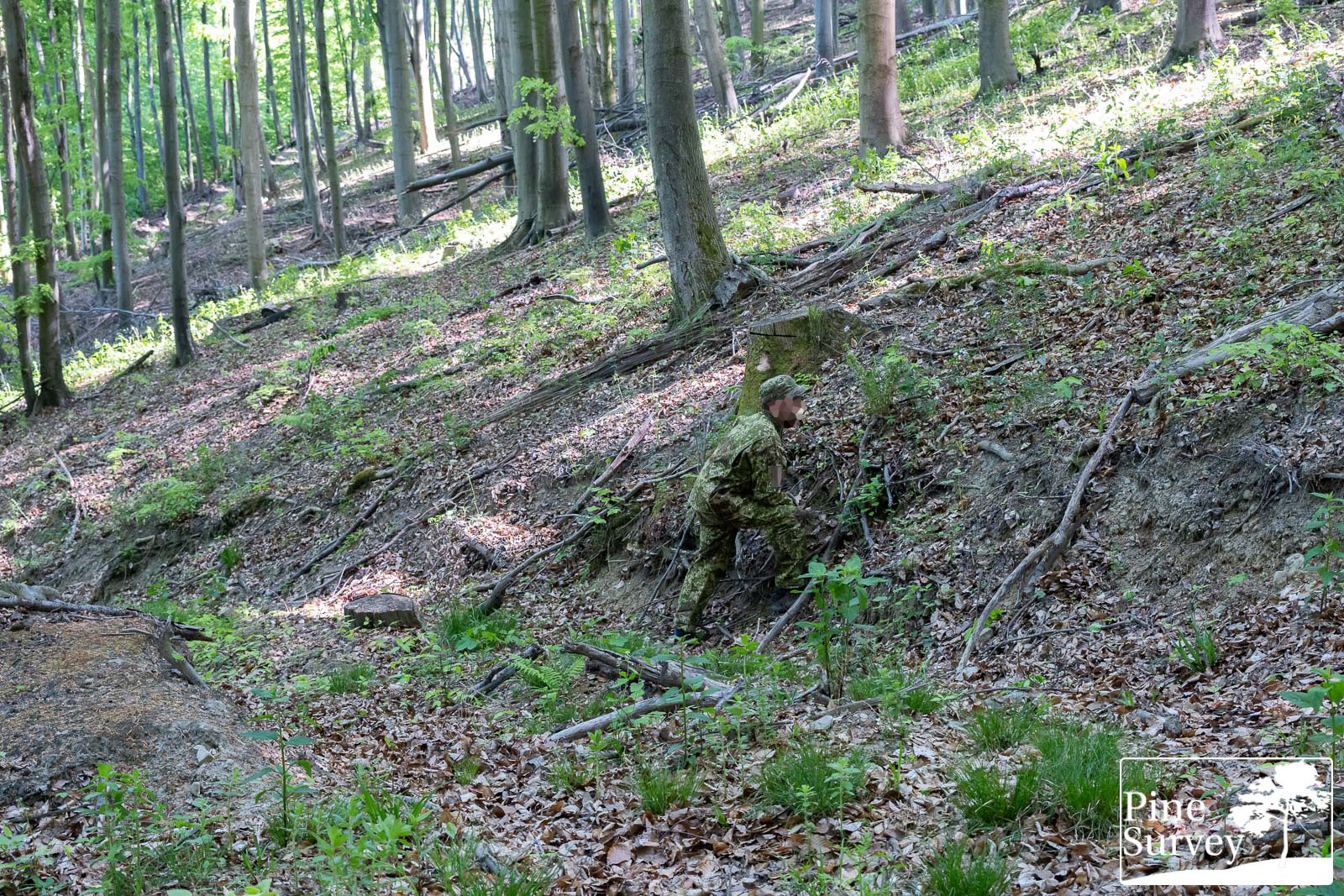
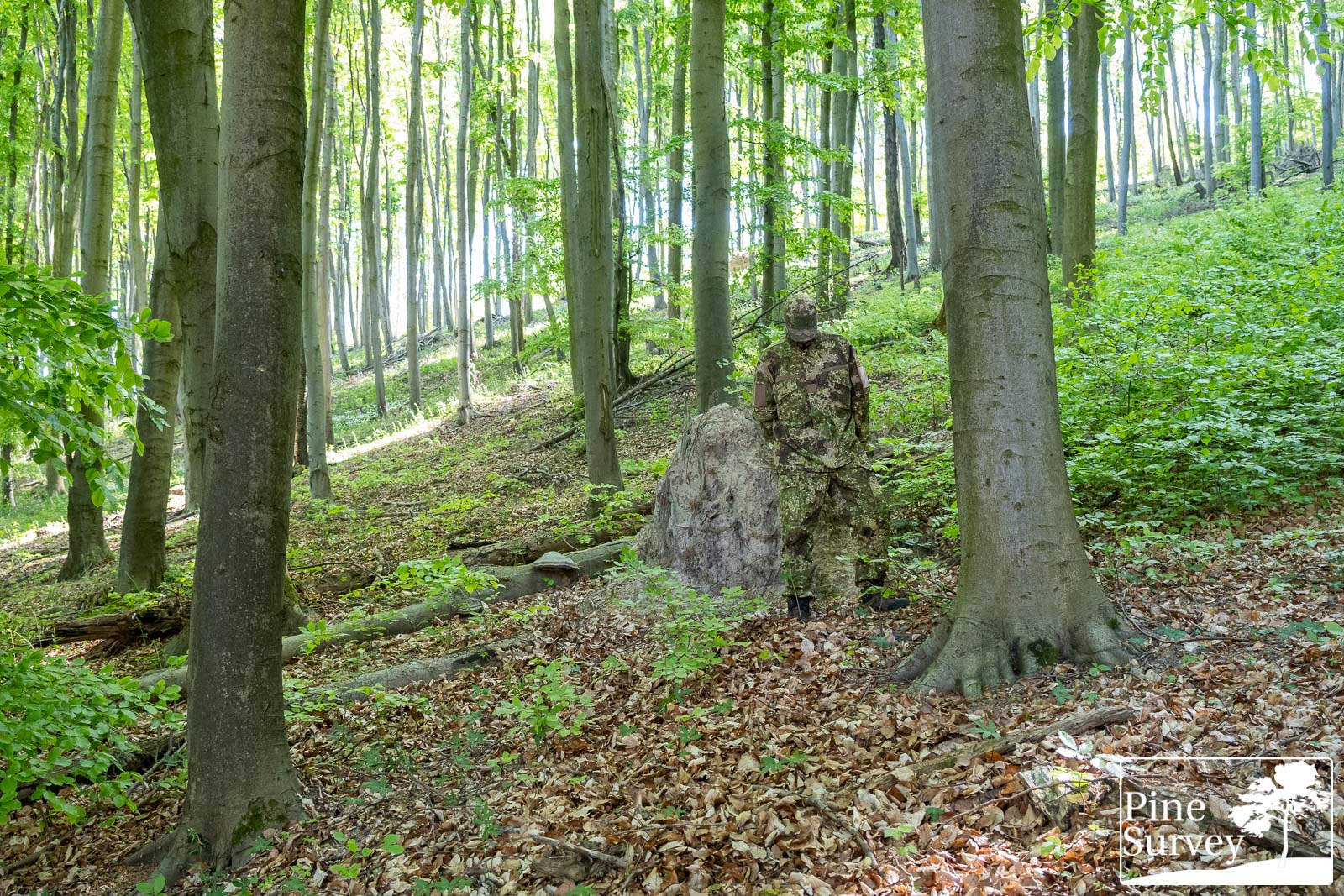
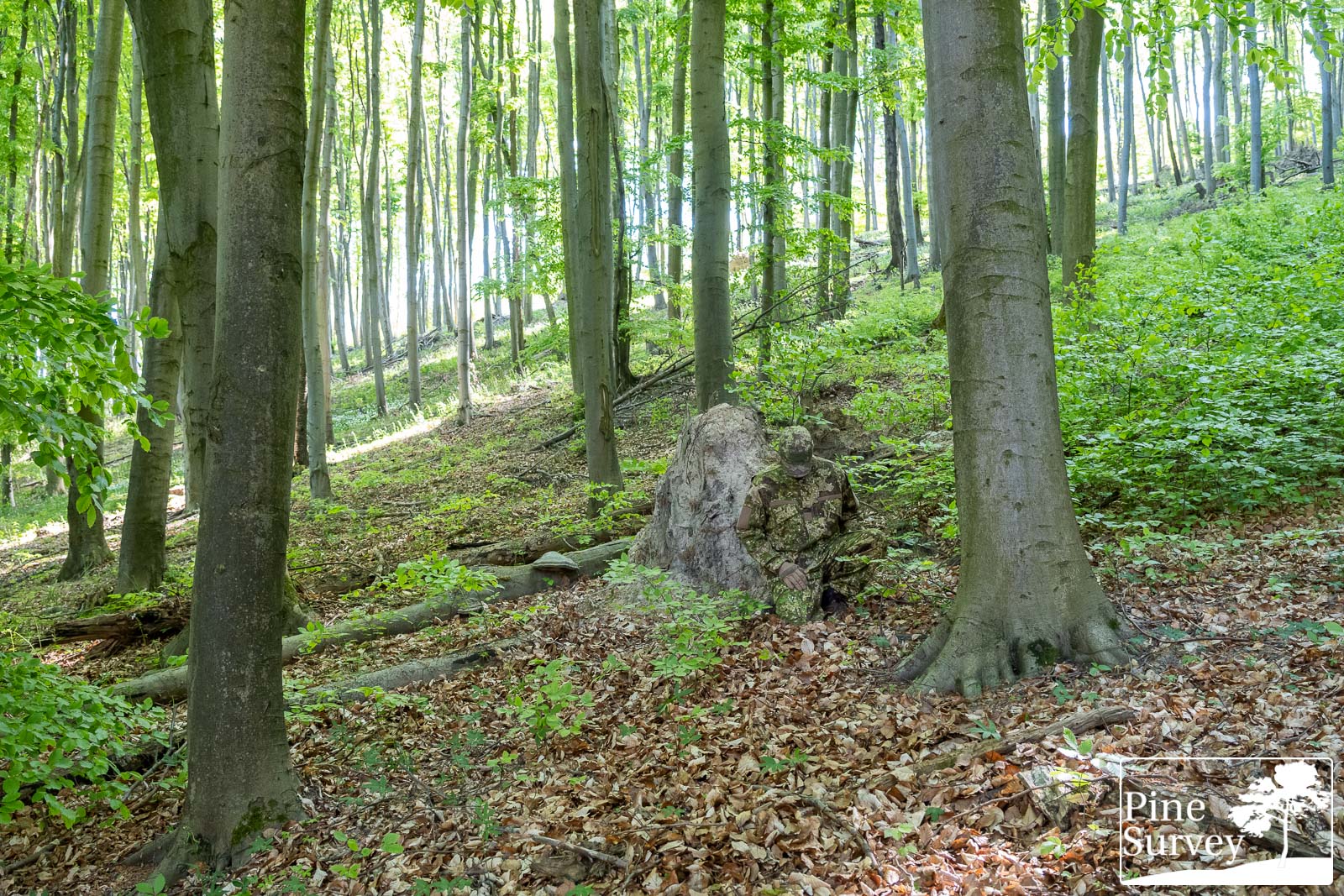
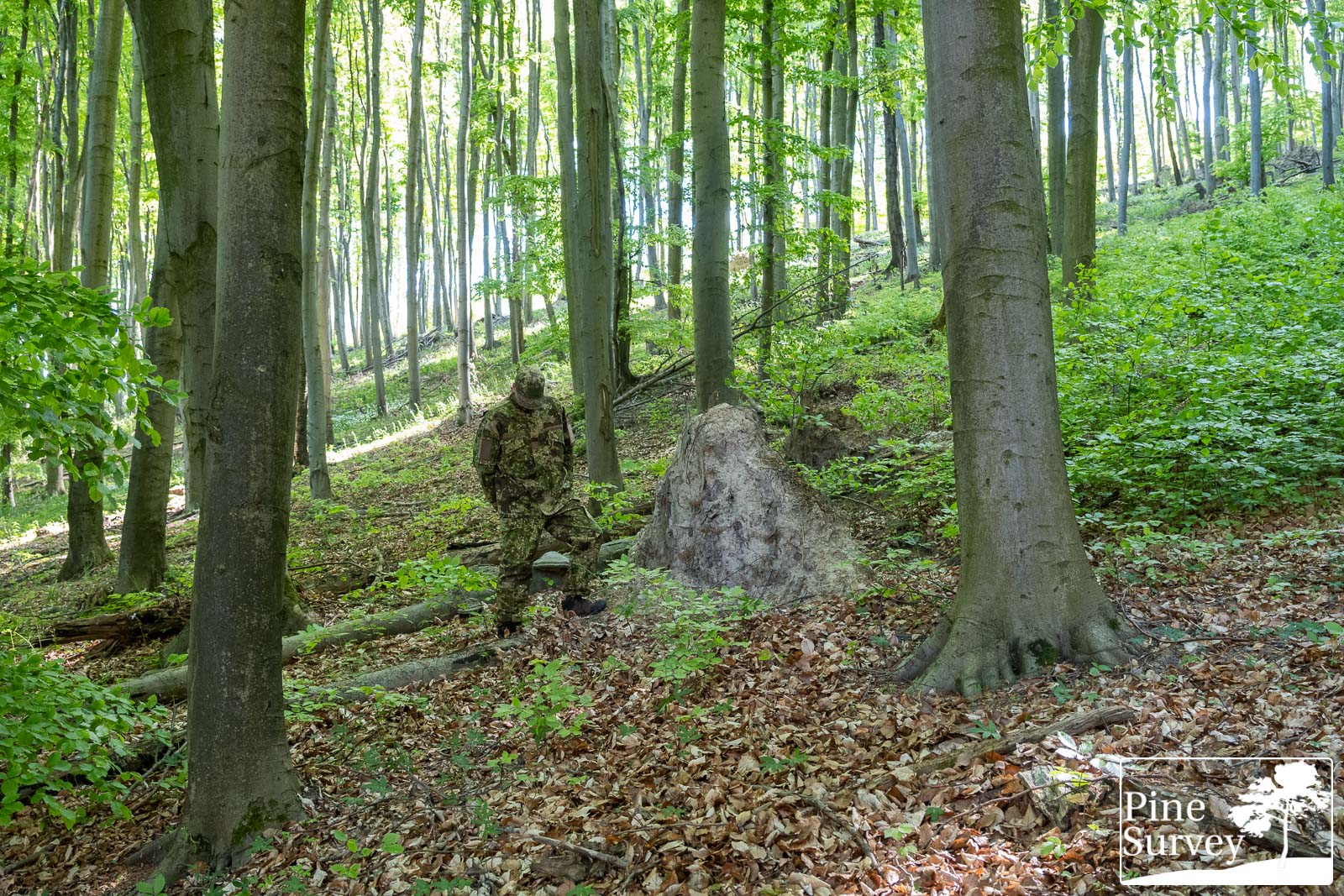
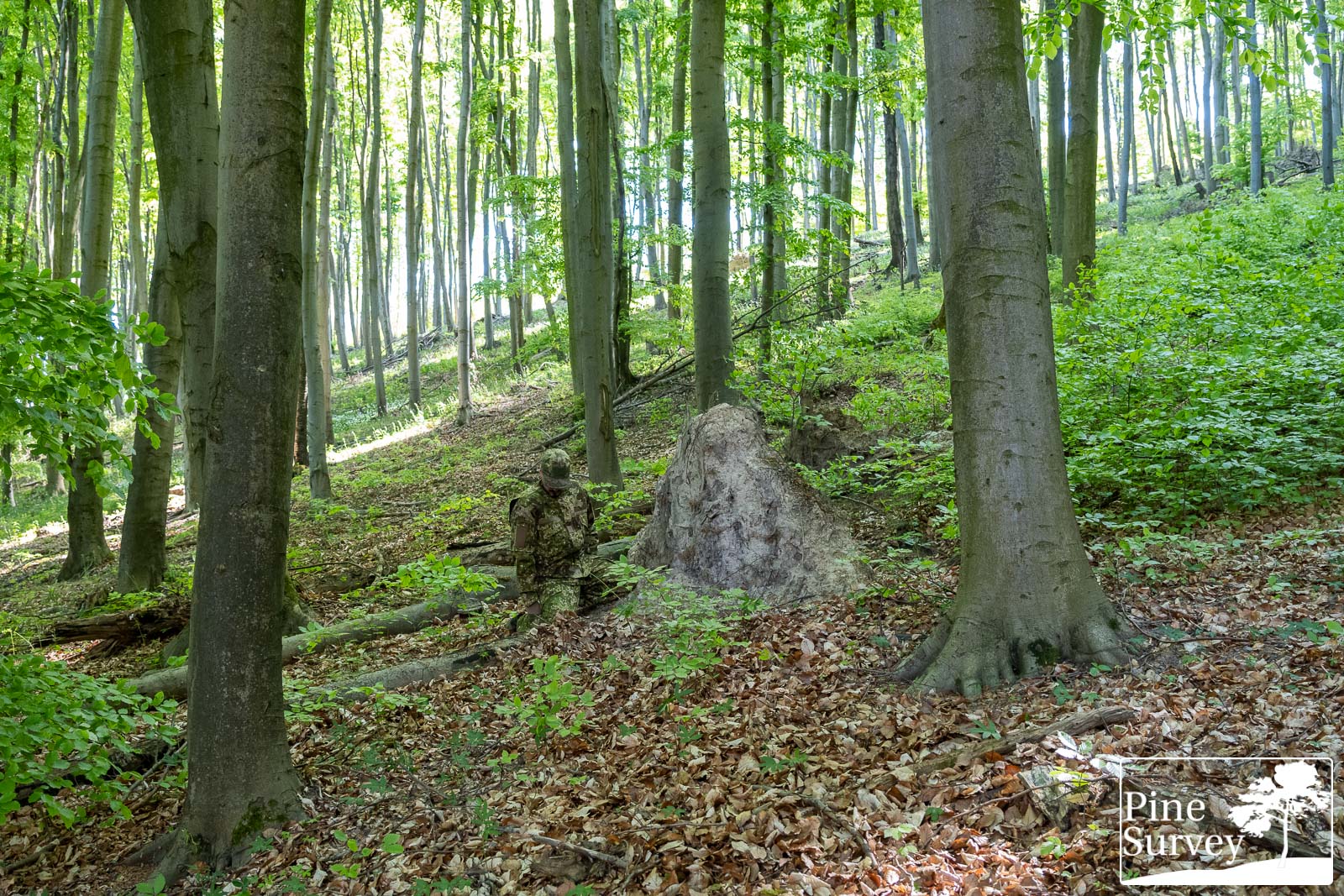
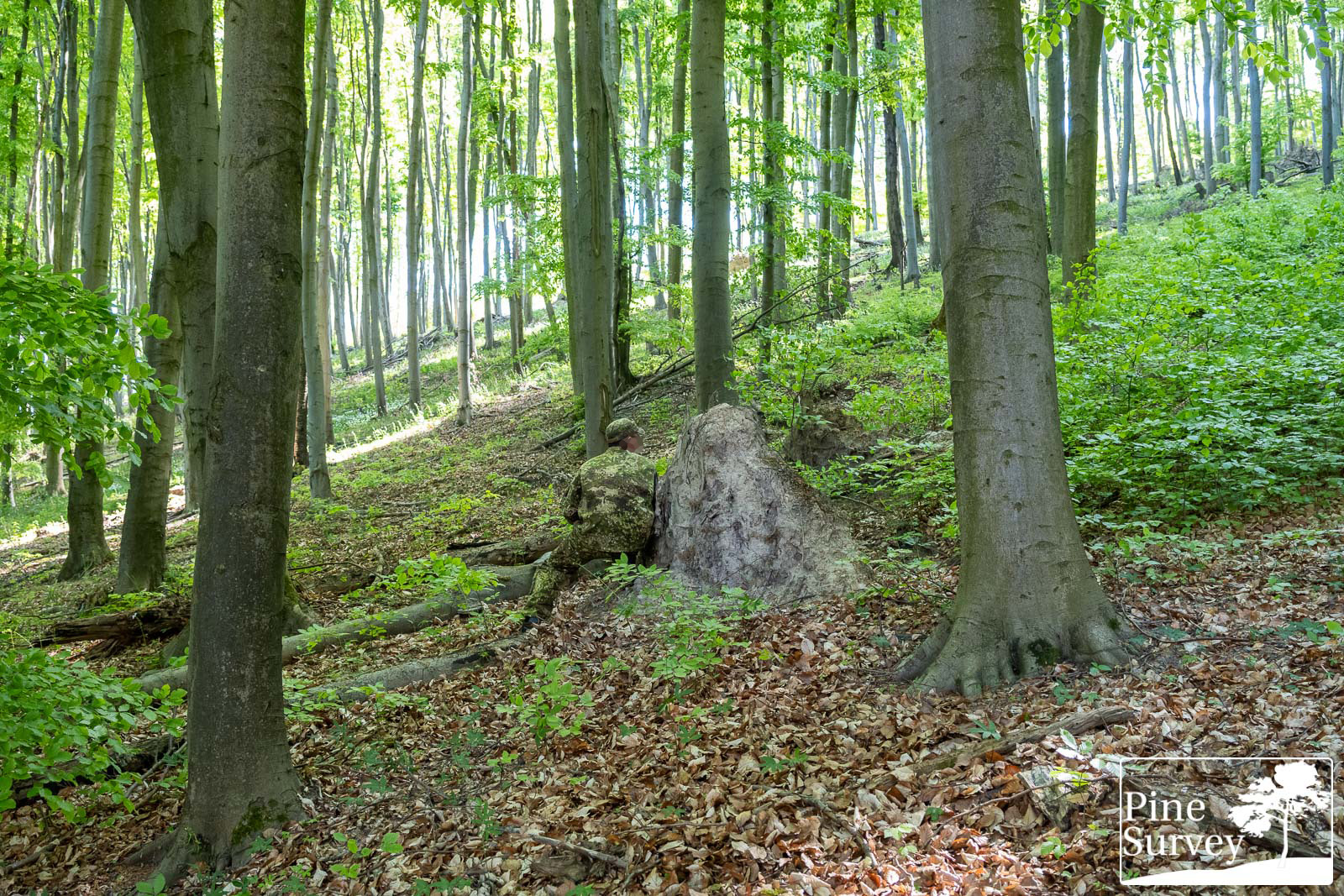
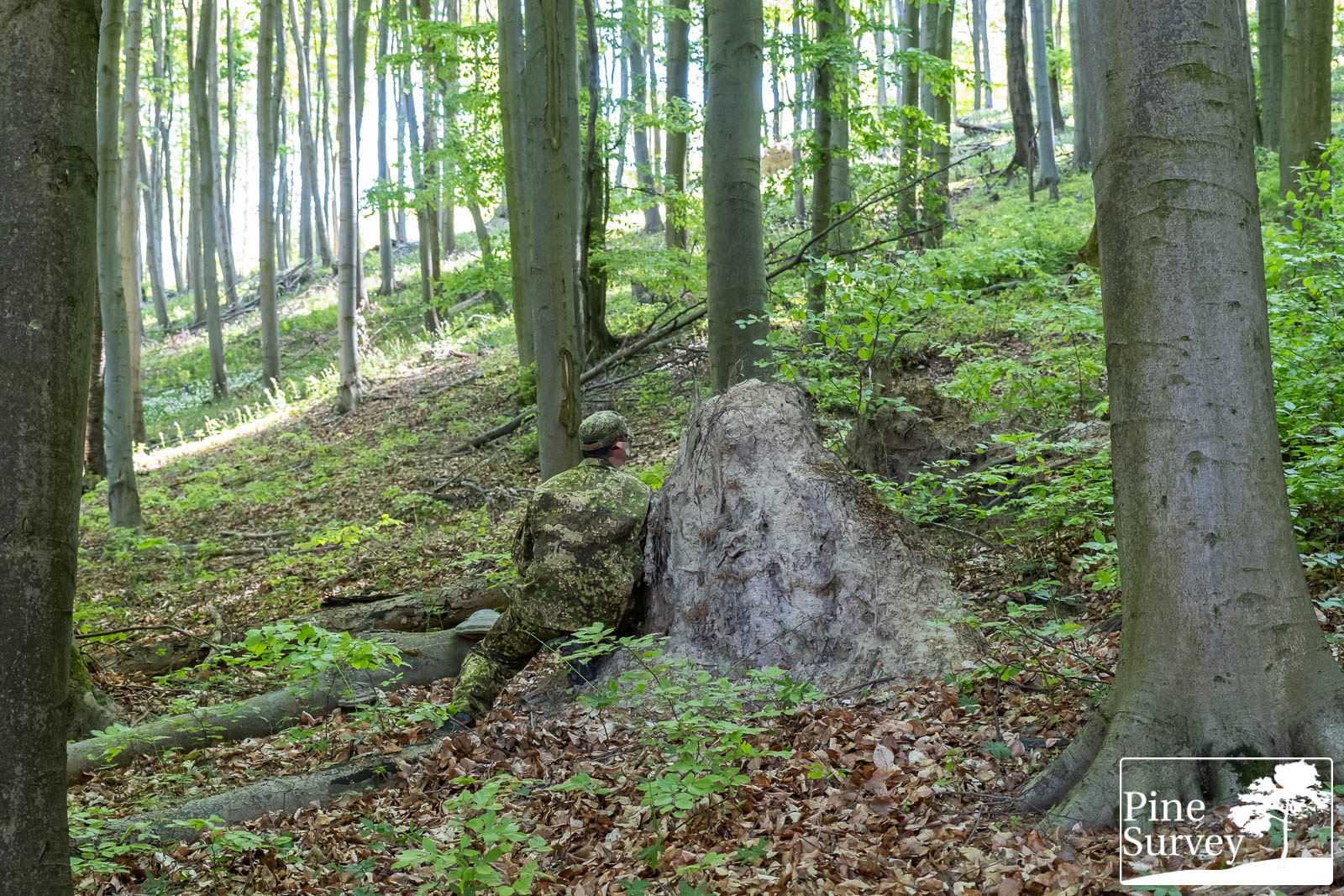
As expected, the new print works in the same way as GreenZone: it blends with the surroundings while still breaking up the outline. It is just as effective as the previous one.
Comparison to the old Duro Industries print
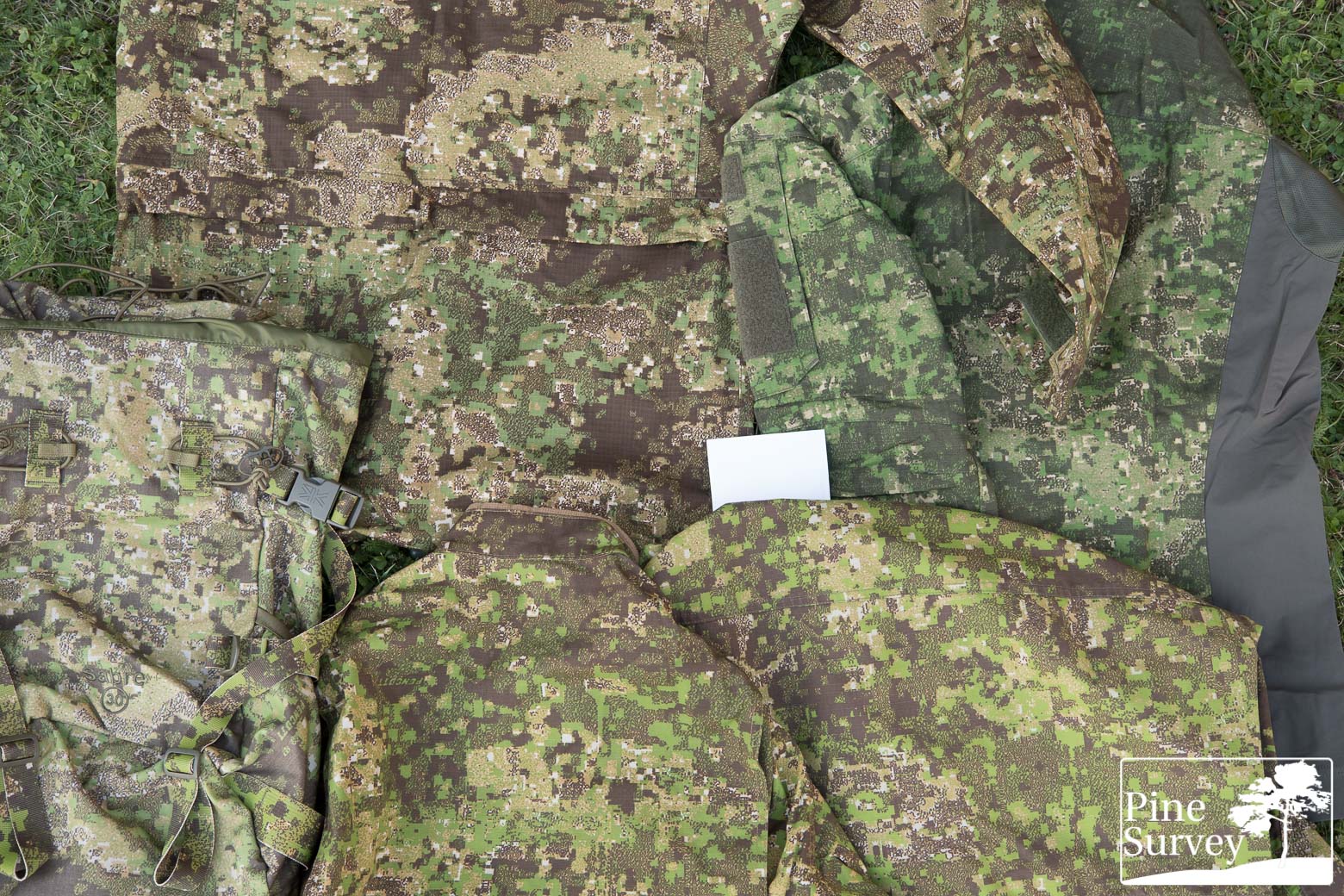
The only difference I noticed was the shade of pale grey in the pattern. It is brighter in the new print than in the old Duro Industries print, where it is more of an ivory colour. The colours and geometry are the same, of course, and the brighter grey did not affect performance in the forest – it actually helped to provide better contrast. At times, I thought about the effect used in the mainly green Soviet Bereshka pattern.
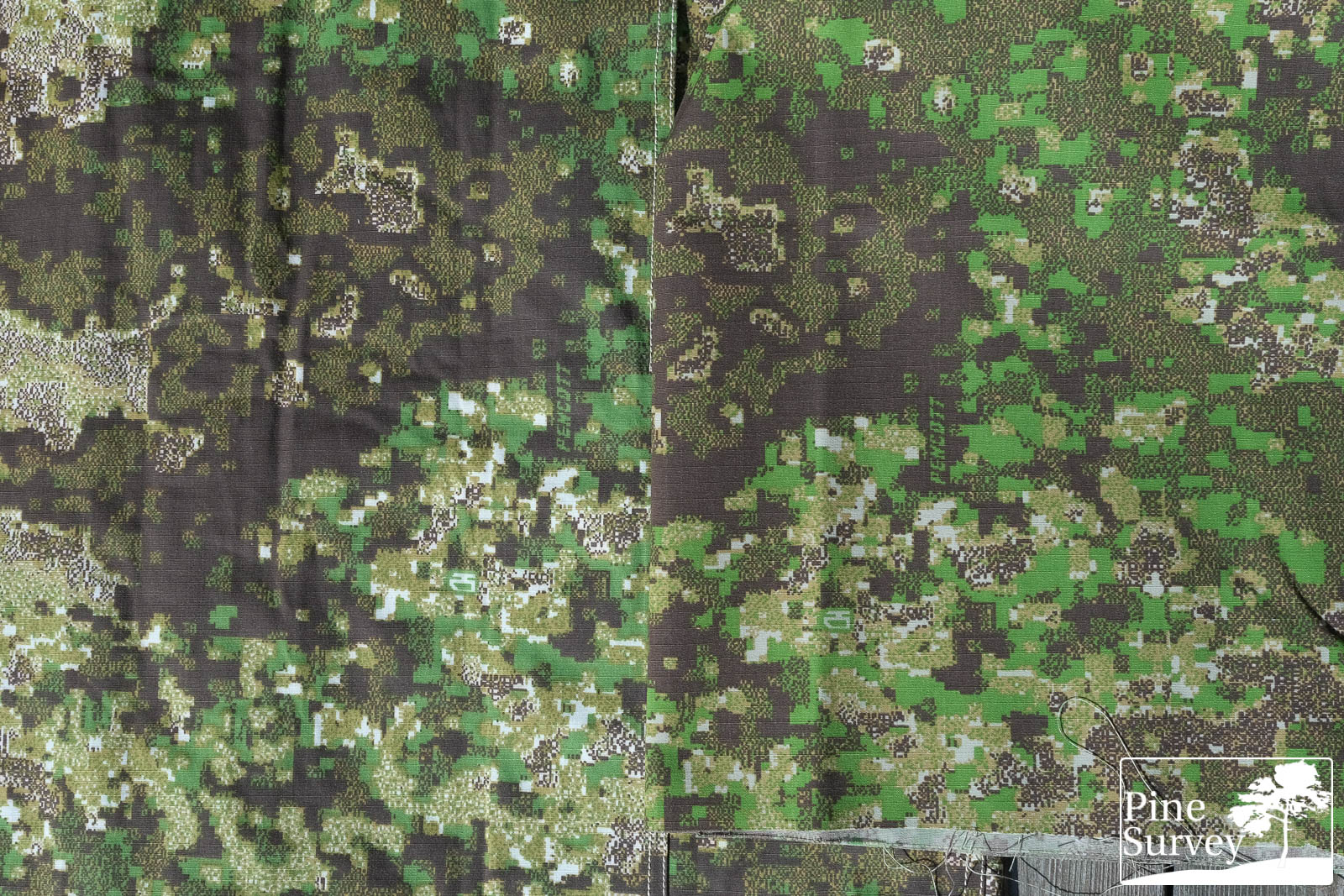
When the fabrics are placed side by side, a subtle difference in contrast can be seen because of the white in the new print.
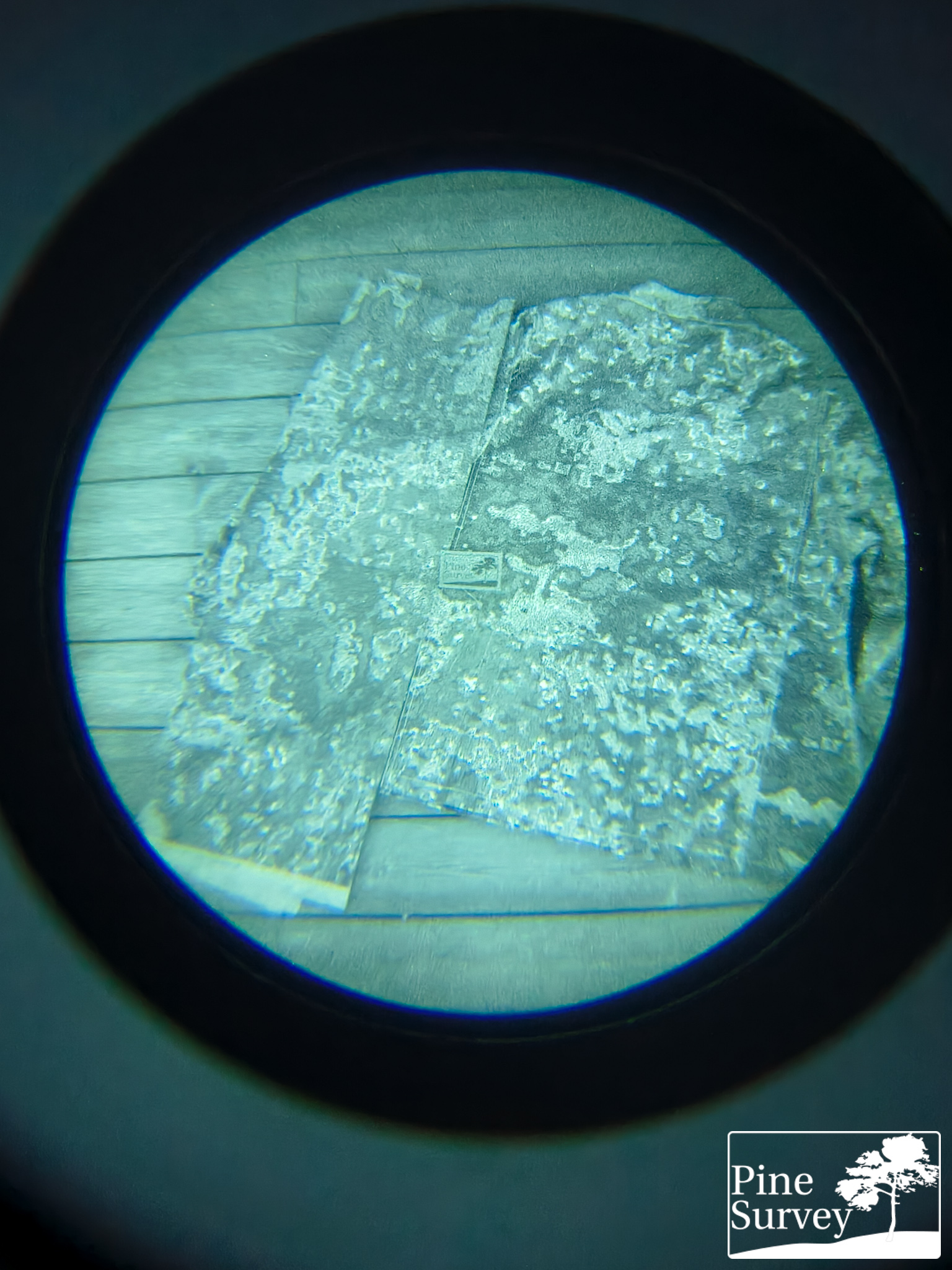
Under near infrared, the new print actually performs better than the Duro print – it must be noted that printing technology has developed over the past few years, so this was to be expected. At the same time, I was told that Hyde Definition could revise the parameters during the printing preparation process more effectively and maintain better control throughout.
Conclusion
It’s great to have PenCott Greenzone back. The new NyCo fabric is everything I know and appreciate about previous prints, and with a new source for the fabric, I am looking forward to seeing which companies will pick it up again.
Currently, MilSpec NyCo and 500D Cordura are available directly from WidePlus, with more to come in the next few months. In addition, SK7 is offering 50/50 PolyCo with mechanical stretch, which is printed in Pakistan. With this diversification of producers, the supply chain should hopefully run more smoothly. From what I have been told, preparations are underway to print BadLands and SnowDrift next. Taking production cycles into account, these two will probably be available at some point next year.
Many thanks to Hyde Definition and WidePlus International for making this article possible, and to my Patreons for supporting the blog!
Take care!